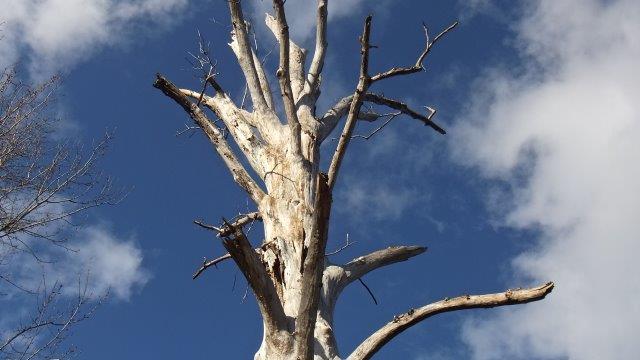
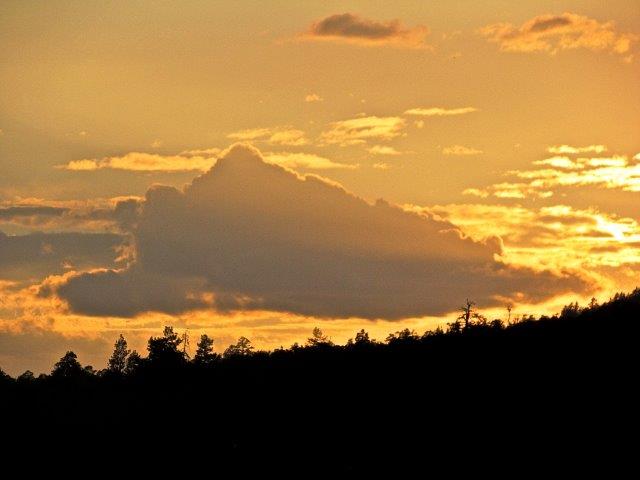
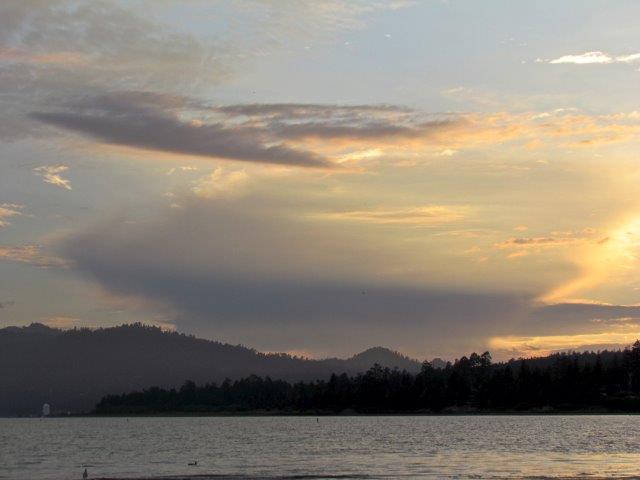
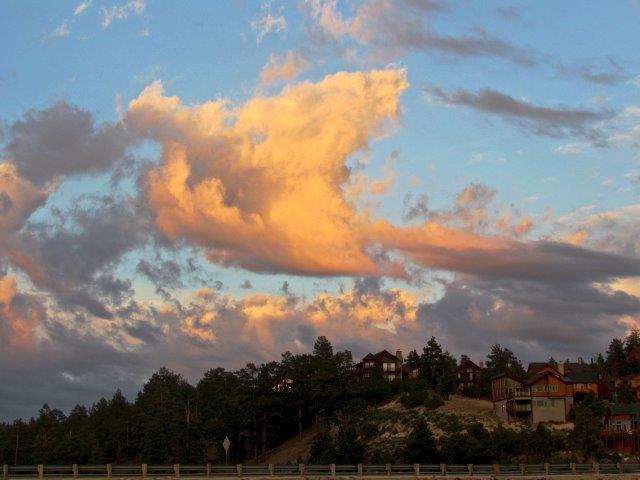
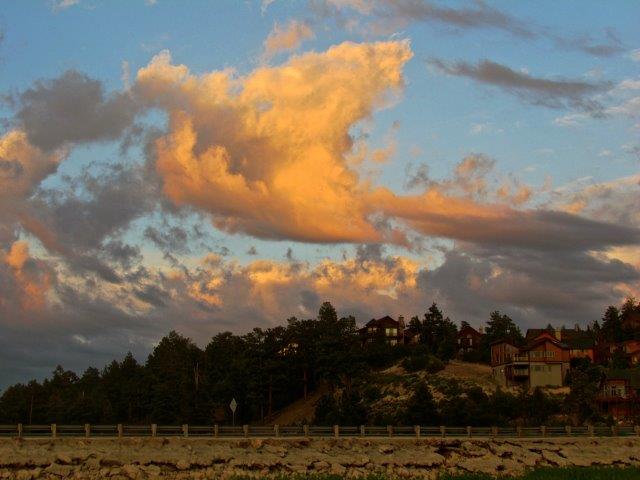
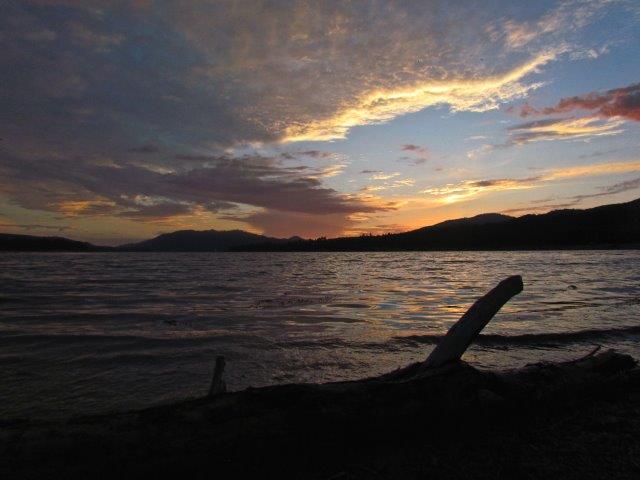
Near our home in Big Bear, California













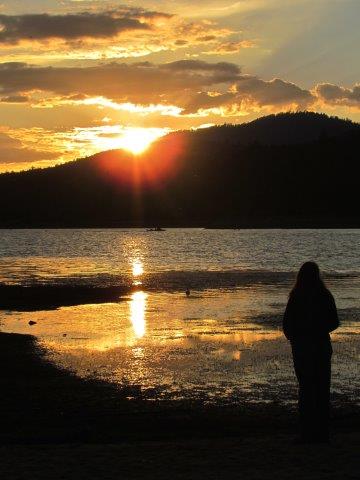

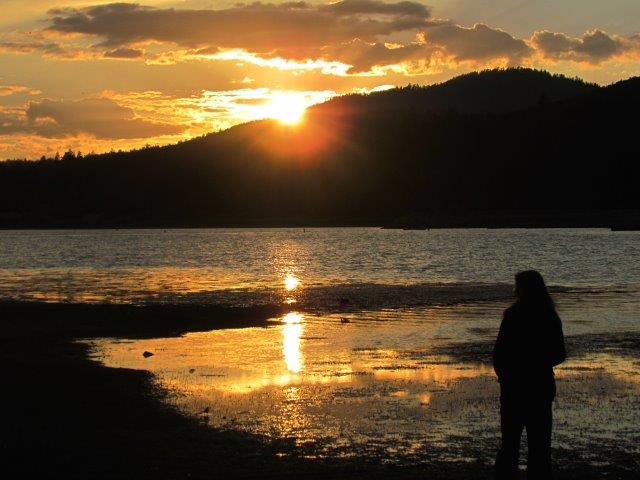




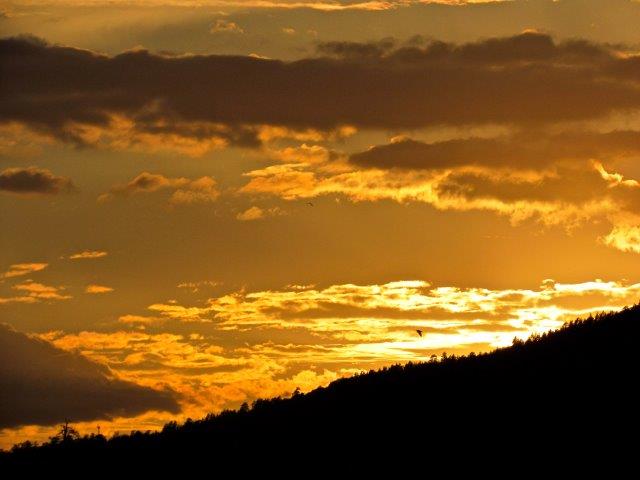



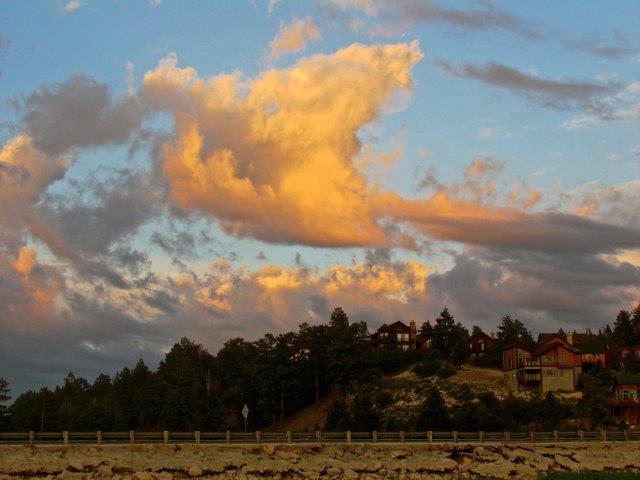


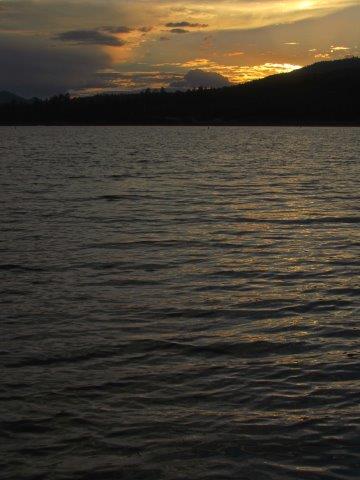
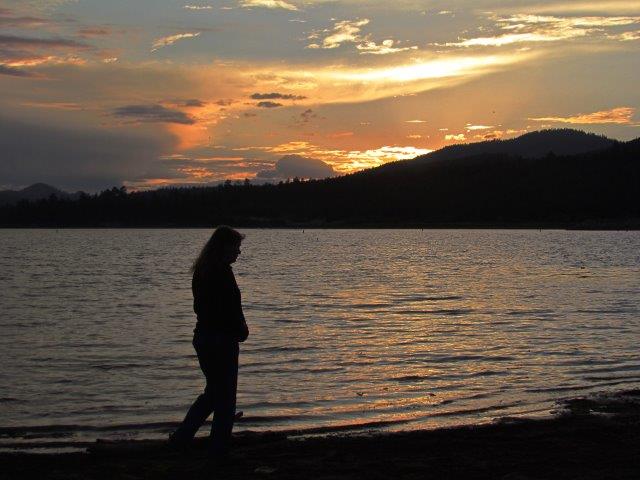
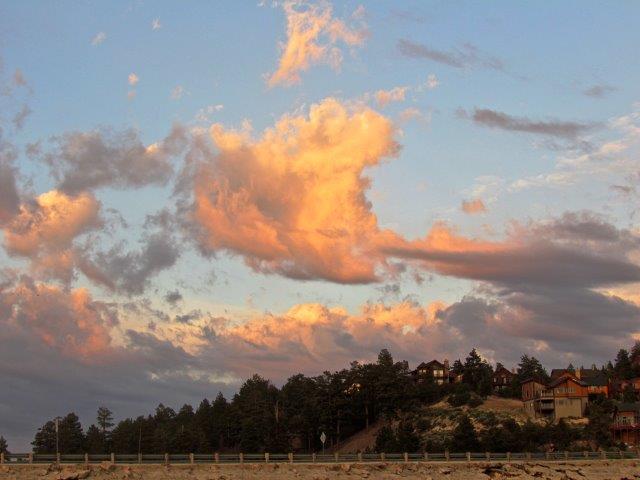





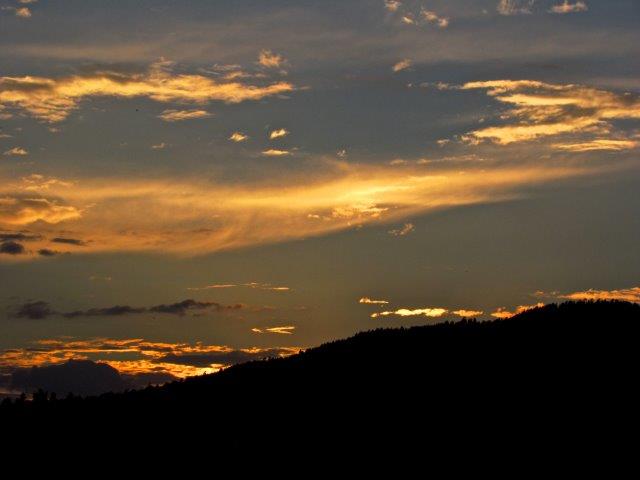
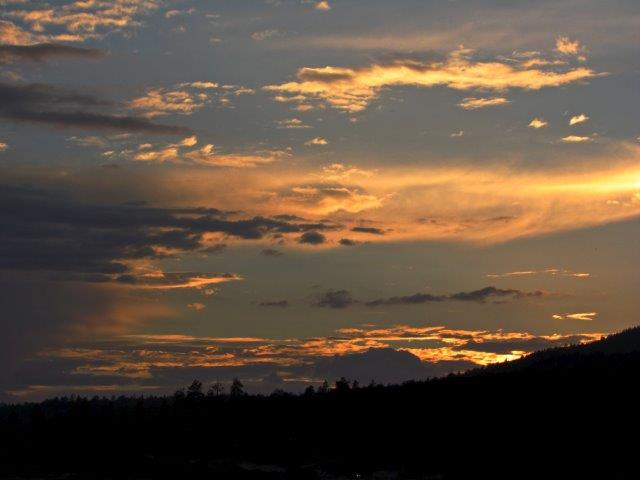



























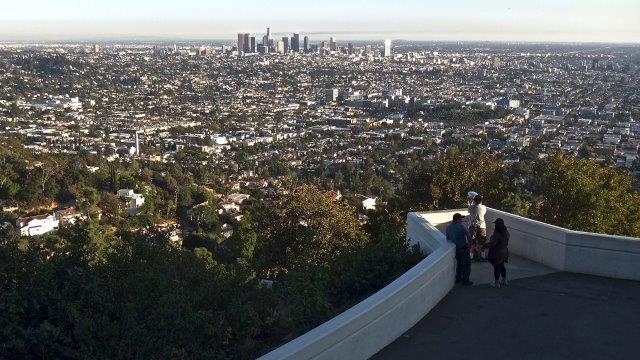
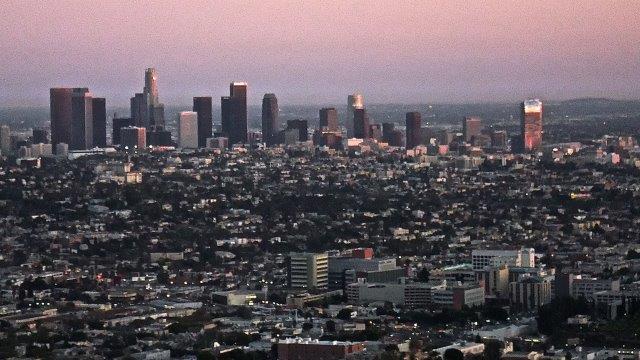
Views of Los Angeles from the Griffith Observatory



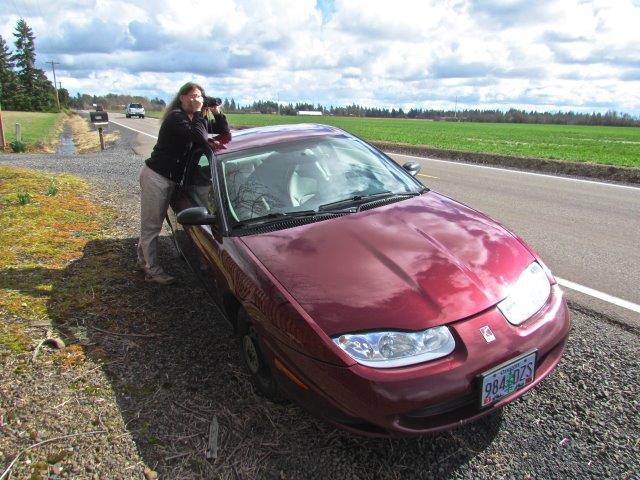
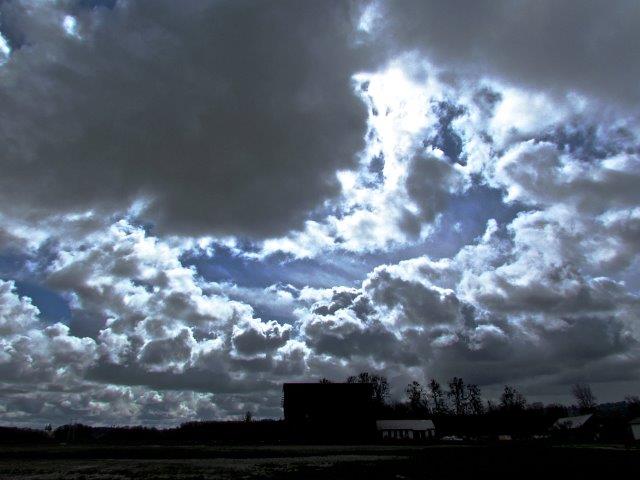
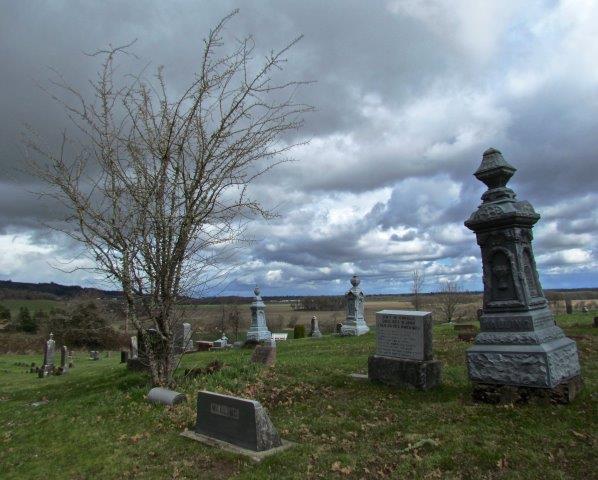
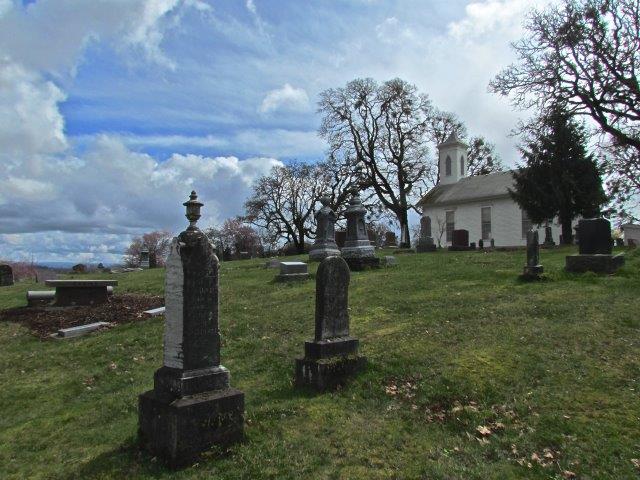
Oregon Farmland
Images captured on one of our road trips through rural Oregon while we were living in Salem for several years.







































Health Care in China vs. the United States
A friend posted an article she had found to my page on Facebook describing how terrible health care is in China, as experienced during a recent vacation the author had taken there with his family.
His central points were that if the government controls the whole system, there’s no motivation to provide more than minimal care. And, he proposed that if we subsidize insurance in this country with a “single payer” system, it will lead to the same outcome where the needs of the individual are subverted to the needs of the economy of the state.
Here’s the response I wrote to my friend’s post:
Thanks, Donna – fascinating article. And the central point of the article is a good one: that if a culture/society/form of government is more concerned with the efficiency of the state than of the individual, then health care suffers because it is all about costs vs. individual medical needs. So, in China, better to lose people than to undermine the economy, essentially.
Right now in this country, poor people can’t afford insurance so, like the Chinese, they get no care. And this is a big indicator our current form of medical care is much like the Chinese – poor people don’t matter. We have lots of them and can afford to lose a bunch of them. As Scrooge said, “They had better [die] and decrease the surplus population.
Now in China, everyone gets the same care, rich or poor (theoretically) though I am sure those in power and the wealthy get much better care in practice. But there’s no hope for the poor nor for the middle class, since they are expendable for the good of the efficiency of the state as a whole.
In our country, the middle class fare much better. Good insurance at an expensive but attainable rate is available, often with the help of the businesses folks work for. But, again, we’ve decided the poor are the expendable ones here, for the good of the efficiency of the state.
The challenge ahead of us as a nation that wishes to be unlike the Chinese and to truly care for every individual regardless of their income level is to provide at the very least basic medical care for all, even for those who can’t pay for it. That, I believe, is at the center of our compassionate hearts as a nation.
But then, in terms of practical implementation, how do you do that, and who pays for it? In answer to the first part of that question, there are many ideas floating around. For one, we might require doctors and hospitals to provide services for free or on a sliding scale for those who can’t afford insurance. But the problem is that it puts the financial burden on the medical professionals and leads to the same kind of lack of interest in helping people that the article noted in China.
Another way is to require insurance companies to provide free and low cost sliding scale insurance to those who can’t afford it. But, the problem here is that the insurance companies are for-profit organizations, so they will have to offset those costs by raising rate for those who already buy insurance. That won’t be a problem for the rich, but the middle class will get slammed, and that will really hurt the standard of living and perhaps even cause folks to fall out of the middle class because they are in a donut hole where they make too much to get help with insurance payments, but with the hike in rates have to cut back on food, vacations, new cars, new clothes, and even college and retirement funds. And this then hurts the overall economy and potentially fuels a recession.
So what do we do to not be like China and make sure everyone gets quality heath care? Well, I don’t know if there’s a good answer to that yet. Or maybe a good answer doesn’t even exist. But for my money, literally, I think the best answer is for the government to cover the cost of insurance for medical care for the poor and to provide a sliding scale of financial support to pay for insurance for those who can only afford part of the payment on their own. As I understand it, that’s what Obamacare tried to do. But it was flawed, costs went up for the middle class and in the end it didn’t work very well.
That really leaves only one solution – put a tax on the personal income of the ultra-rich to provide health insurance for the ultra-poor. Now I’m not talking about taxing those who make one million a year or even 10 million a year, but how about a sliding scale tax on those who personally make 50 million or 100 million or 1 billion? I’ve hear that Bloomberg makes as much money every year as the poorest 100 million Americans. Now that may be bogus, but I’m sure it is some godawful number that tells us that the uber-riche can certainly afford to cover insurance payments for those who truly can’t afford them, and to subsidize lower payments for those who can’t cover it all themselves.
Now, we all pay taxes, and we recognize the need for some level of taxation. But the level currently charged against the middle class is a weight they can barely carry. So, as a nation we have two choices.
Like China, we don’t care for the poor and let them go without any medical care at all, or we demand that those who have so much pay a bit of it to provide for those who have nothing. That isn’t socialism since everybody can choose their own insurance company and plan. And if insurance is paid for by higher taxes on the very rich, it isn’t socialism because we aren’t all being taxed for it – just those who have that kind of money falling out of their pockets. That’s the capitalist way to do it.
Socialism would be a flat tax where everyone pays the same rate and gets the same services provided by the government. But we’re not talking about the government running health care here – not like China. We’re talking about the government taxing the very rich to pay for health insurance for the poor. And that’s about as capitalist as you can get.
Now, there may be lots of arguments against this idea, and I’m not claiming it is without its faults. But the whole point here is to make sure that everyone in this country can get medical care when they need it, regardless of how we achieve that. And if not by taxing the rich, then how to we do it? My head tells me we can do this, and my heart tells me we must.
Corona Virus and the Presidential Election
Due to the Corona virus, we are on the cusp of powerful potential narratives, few of them favorable. Though there is not yet enough information to project any as being more likely than another, it is worth considering them all.
Here is the worst case scenario:
The Conronavirus quickly becomes a pandemic. The United States remains largely unaffected due to our geographic isolation and strong disease prevention infrastructure. Reports of mass death, shortages, and unstable governments come in from around the world. In times of instability, populations tend to prefer the known to the unknown. And so, since Trump is at the helm and the disease has not hugely disrupted the United States (we are seen as a safe zone – an island in the middle of a flood) his numbers rise as the election nears. Sanders, running on a ticket of radical change,drops in popularity as the electorate shifts toward a desire to not rock the boat. Trump wins the election. The virus strikes hard domestically after the election, hitting us in Winter. Production slows, shortages appear,and state governments are unable to effectively respond to national supply chain disruptions. The United States congress declares martial law. Trump takes control, and due to the extreme situation, checks and balances are bypassed in favor of immediate chain-of-command decisions and policies. Slowly, eventually, the pandemic runs its course. International economies are ruined. The United States was hard hit but stands well above any other nation or alliance in both economy and capability. As a result of shutting our borders in our attempts to stop/slow the infection, and with Trump in charge of a direct command network with his hand-picked loyal supporters in all positions of power, congress overturns term limits for the presidency, reverting to the days of Franklin Roosevelt who was elected to four terms. Having put political cronies in charge of election systems, Trump is reelected until his demise, and then power is passed to his son.
Now, this sounds pretty far out, and requires a lot of elements to break in the worst possible direction.
Here are a few key narrative points to watch:
- The stock market continues to drop, losing the economic edge Trump has enjoyed.
- The virus reaches the United States in a big way much sooner, and Trump is seen as ineffectual and asleep at the wheel.
- Sanders modifies his campaign rhetoric to focus on the need for socialized services to provide national support where corporations have failed to work together to the peril of the population.
- Threatened by his draining support, Trump makes erratic moves and repeatedly violates his oath of office to the point that he is seen by the electorate as working to profit from the virus, even when doing so puts the nation in harm’s way.
Of course, the virus may wash up against our shores and recede. The rest of the world may gain control more quickly and minimize its effect, and it all might be behind us by the presidential election, returning to a level playing field for the contest between Sanders (and his philosophy) and Trump (and his).
Bottom line:
- Keep your eyes open
- Watch for key narrative points
- Be prepared
A Birthday Trip to the Norton Simon Museum
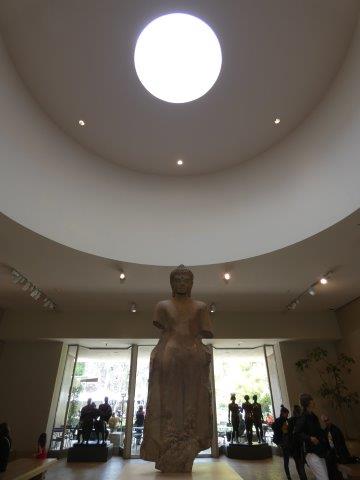
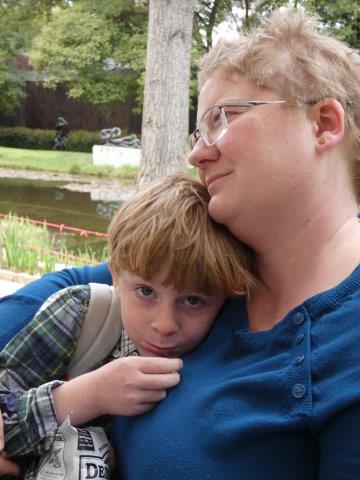
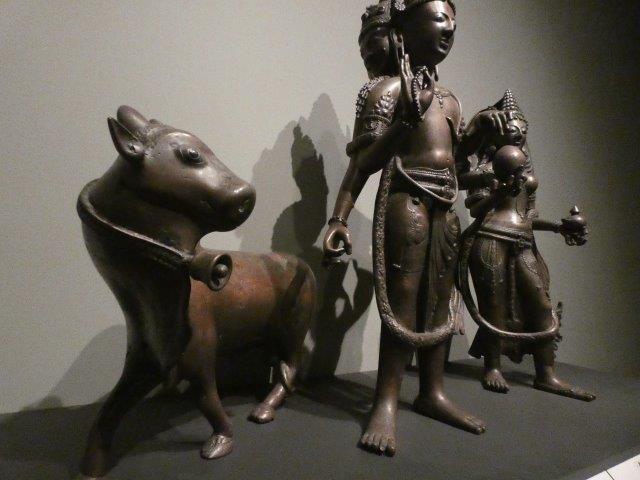
My daughter arranged a birthday trip for me to the Norton Simon Museum – the interesting building you see in the Rose Parade on the other side of the street. I had wanted to see it for decades, so this was a real treat!
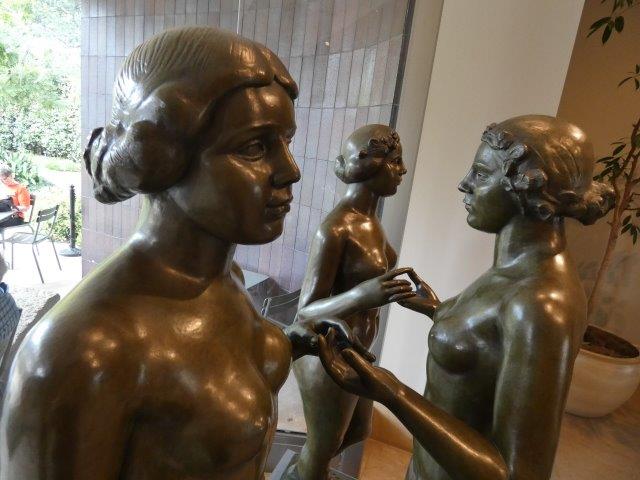
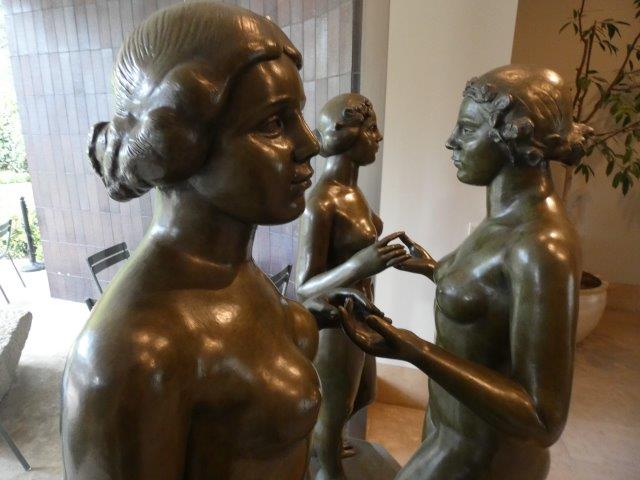
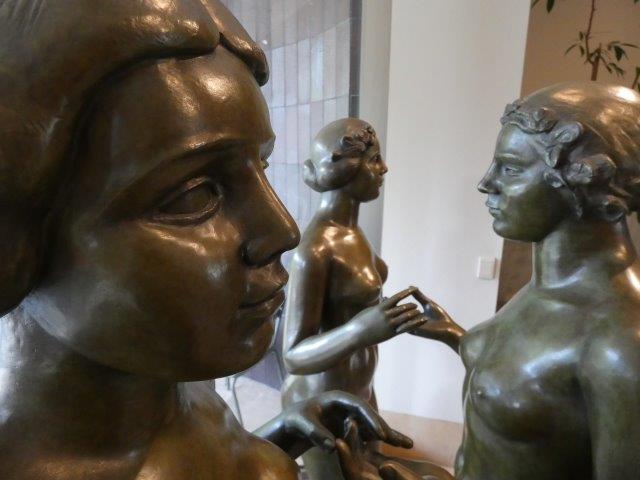
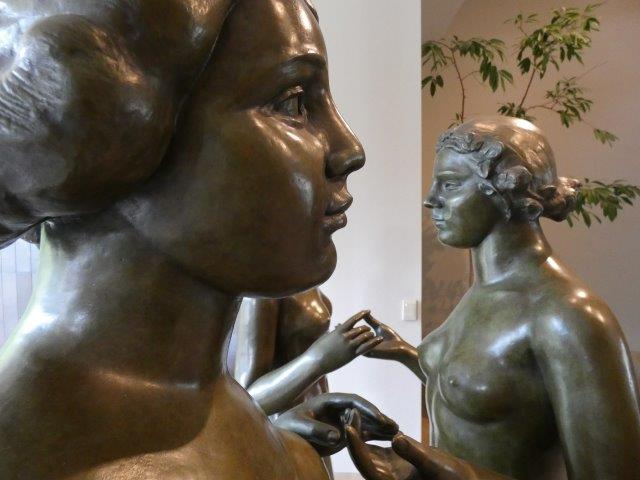
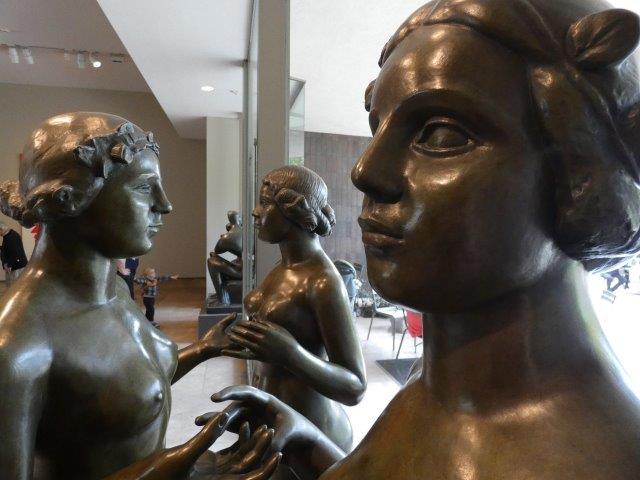
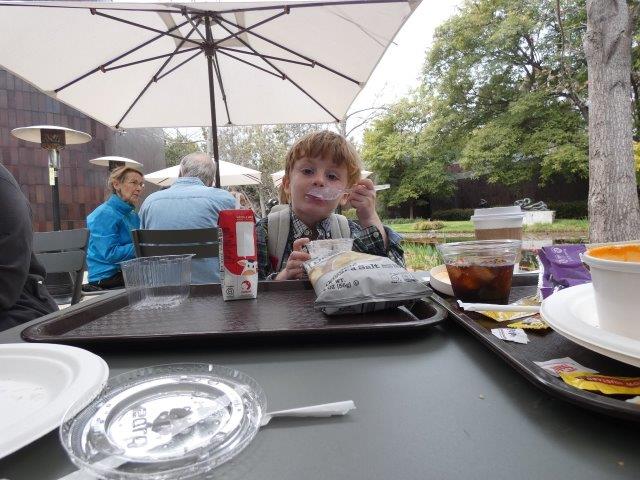
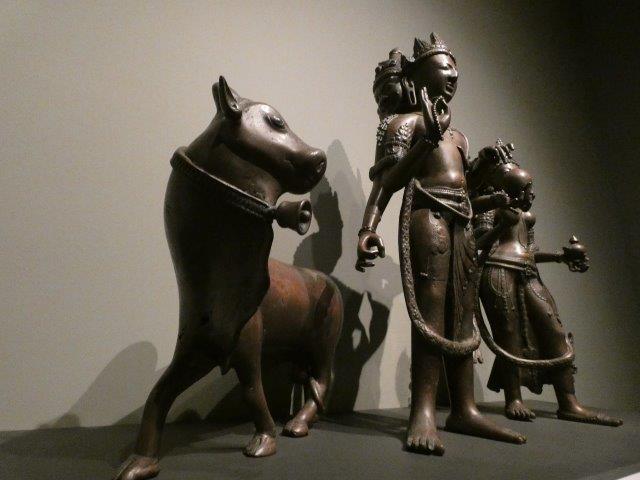
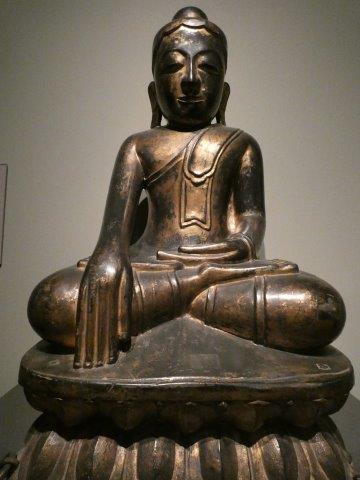
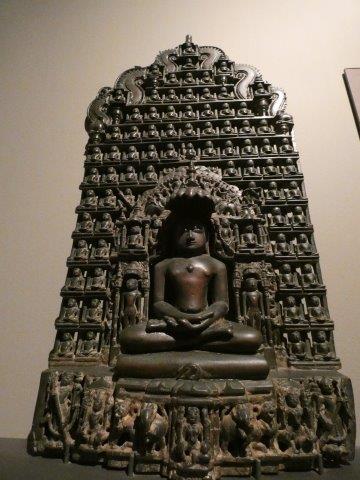
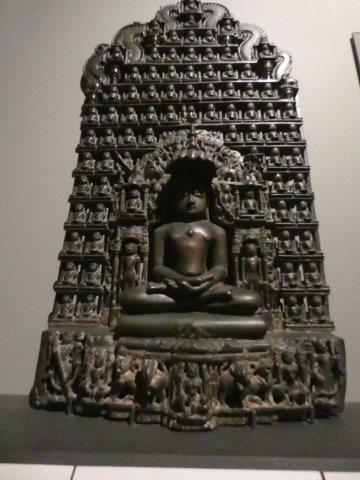
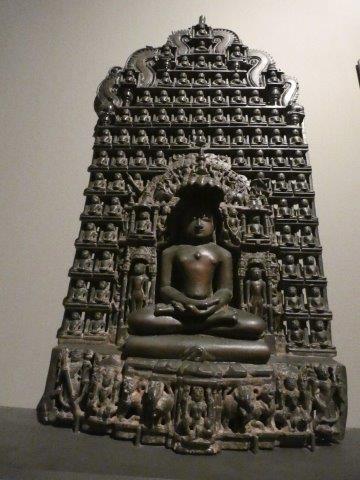
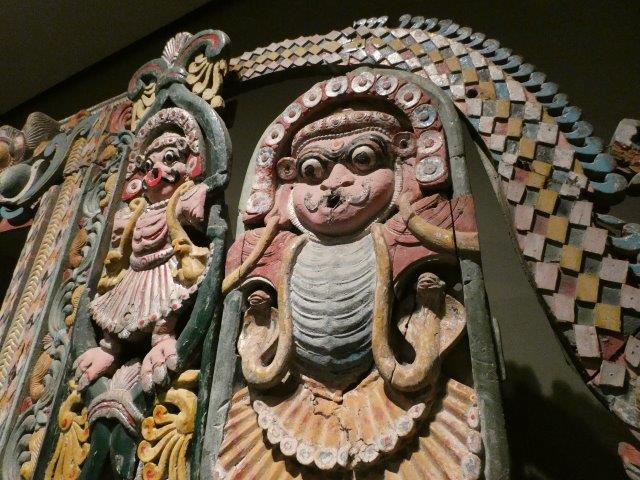
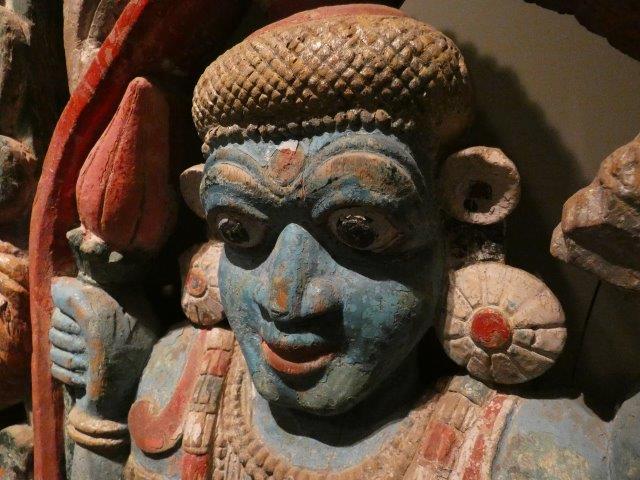
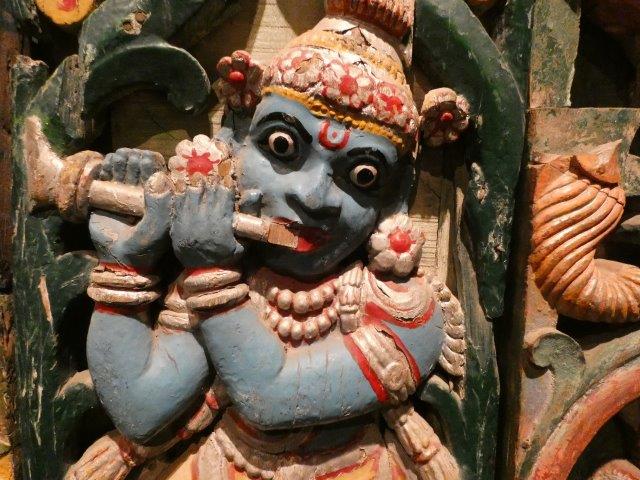
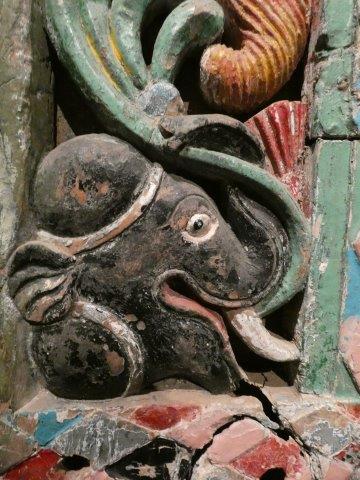
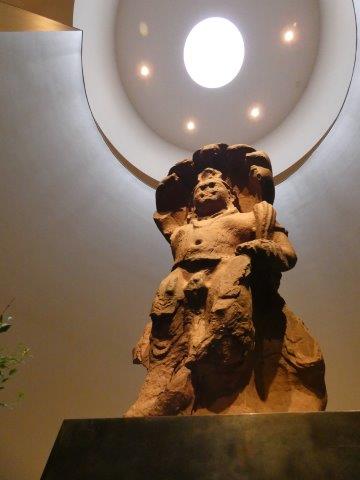
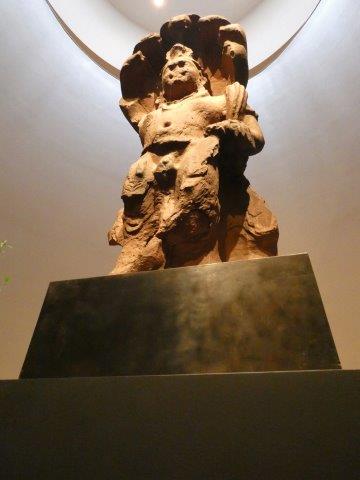
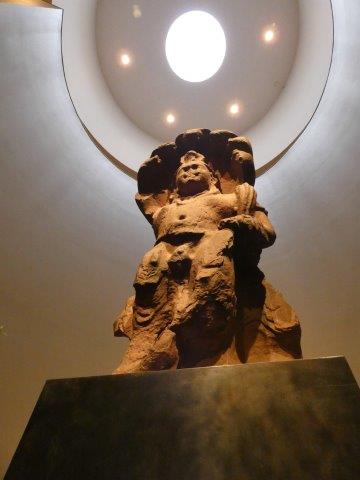
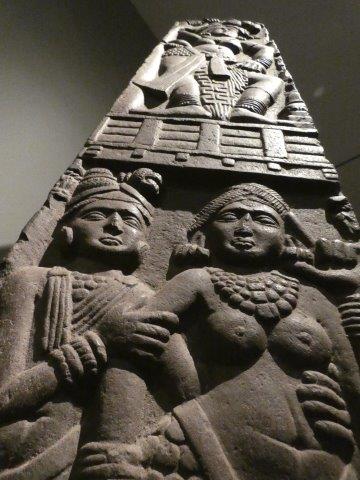
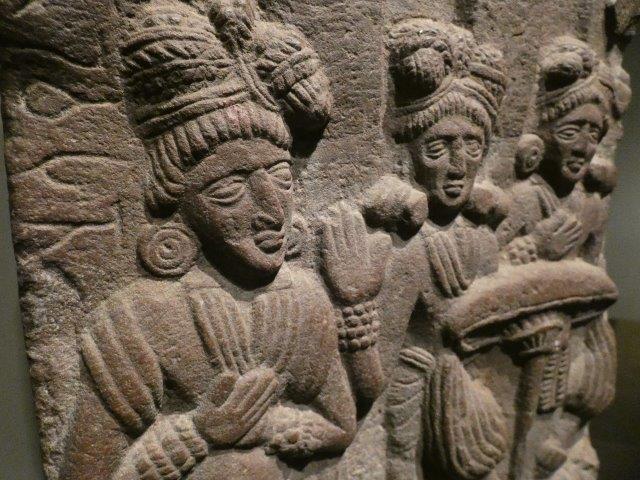
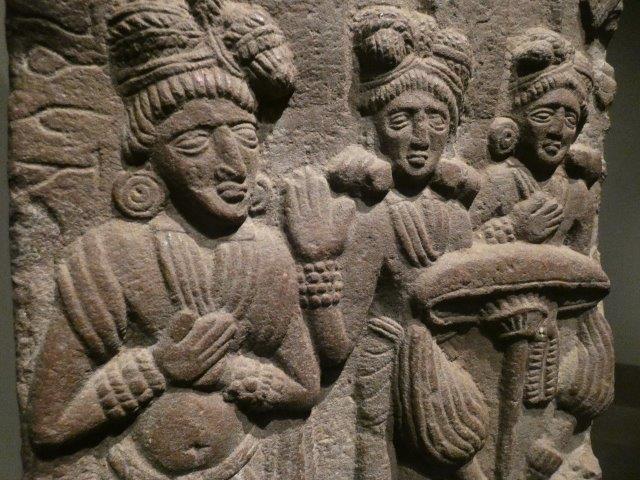
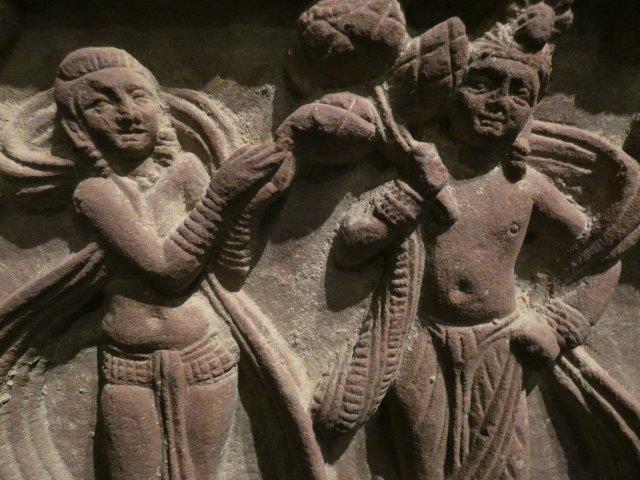
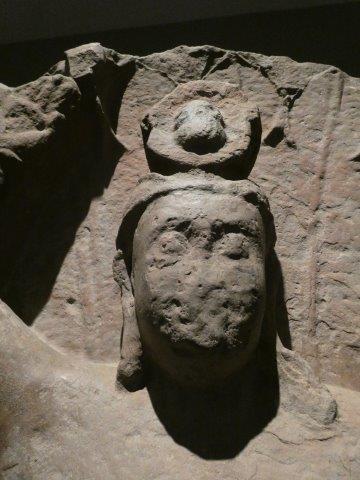
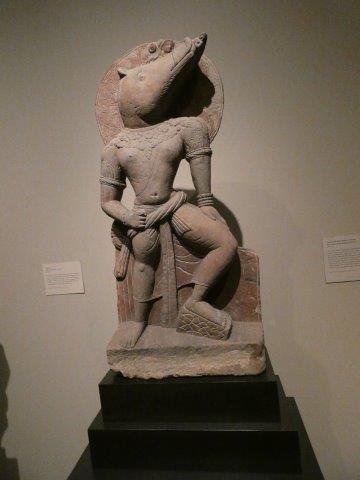
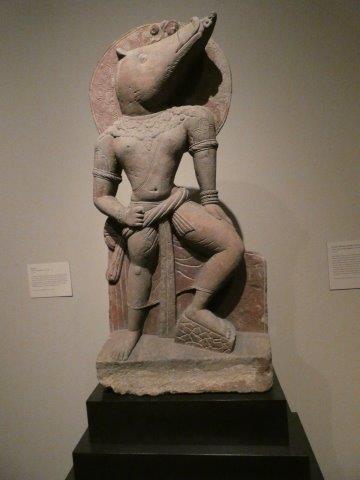
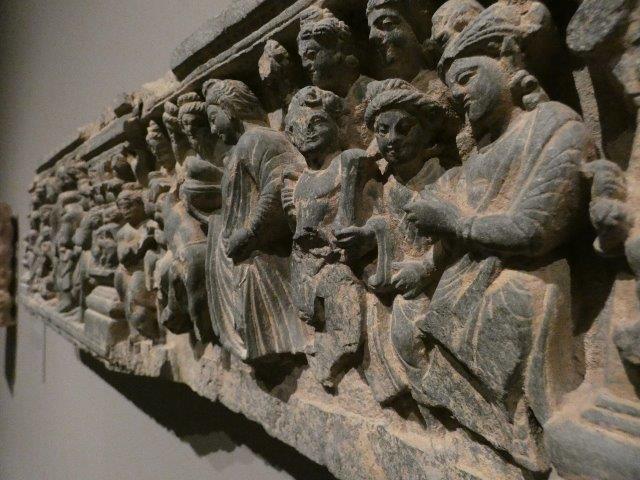
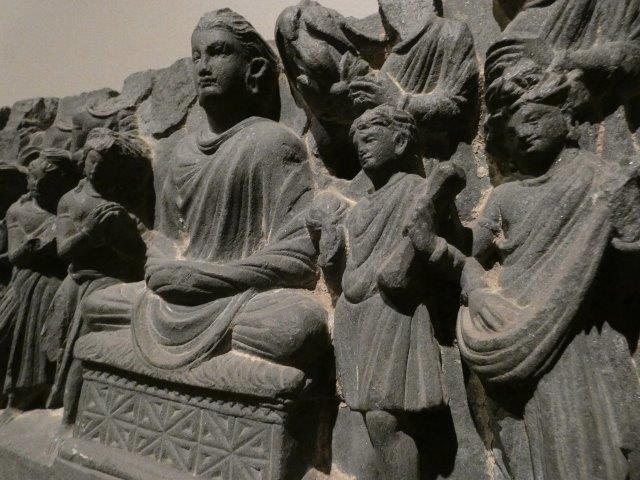
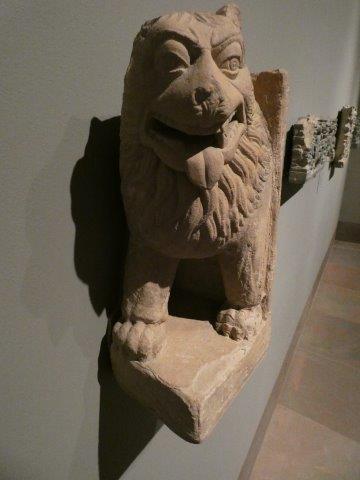
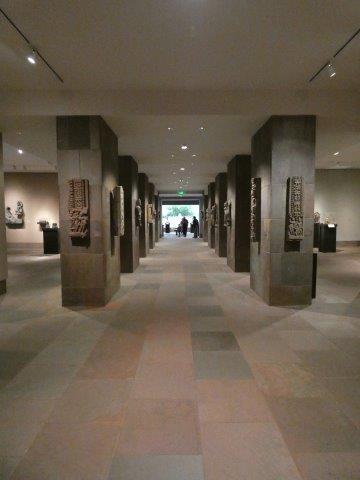
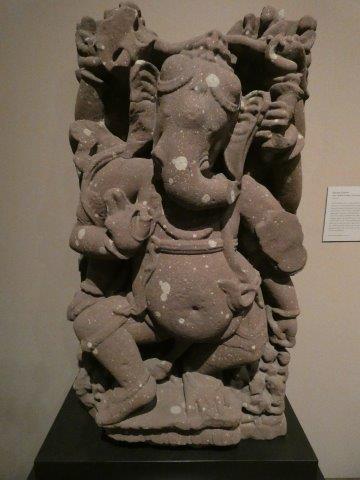
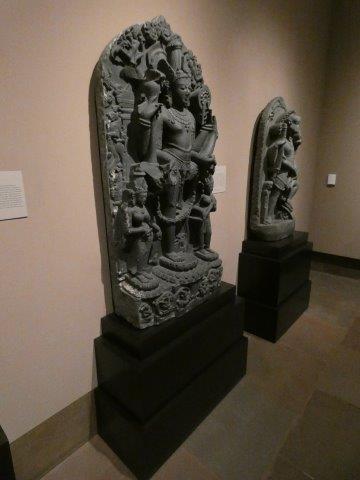
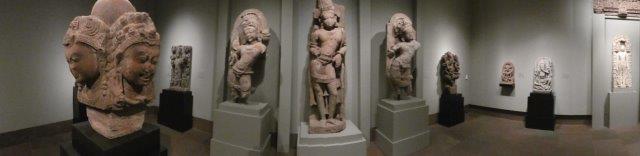
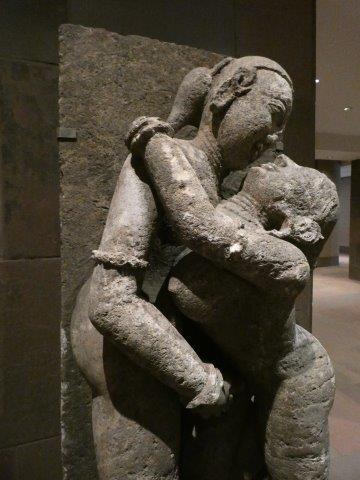
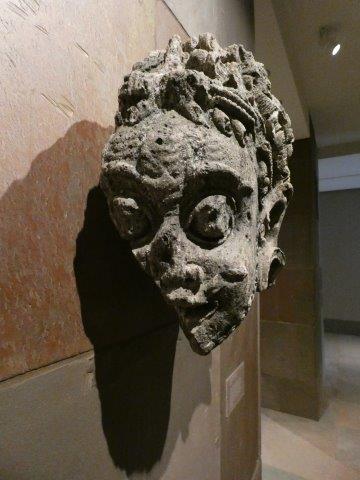
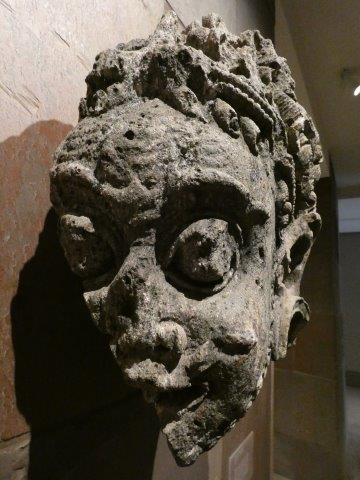
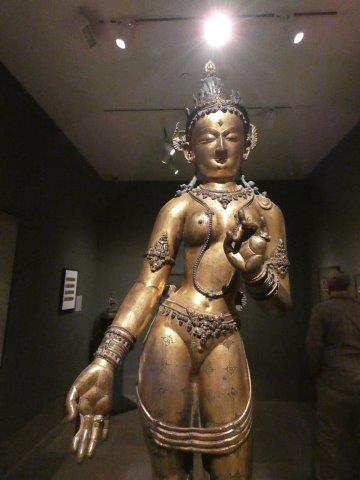
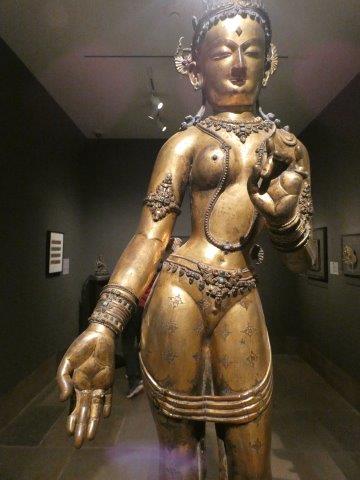
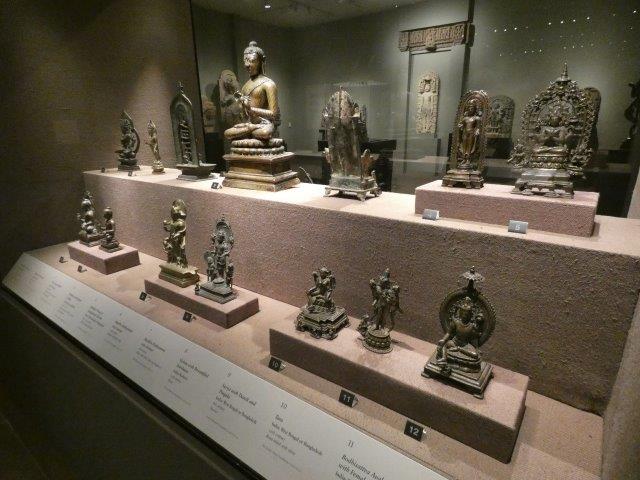
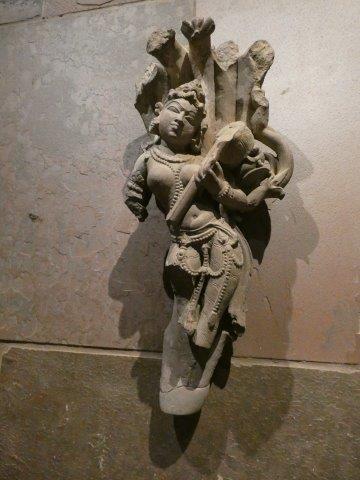
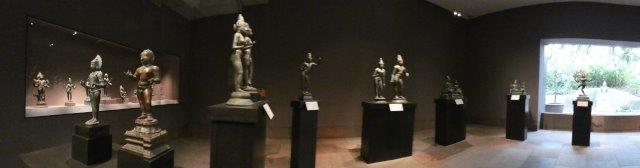
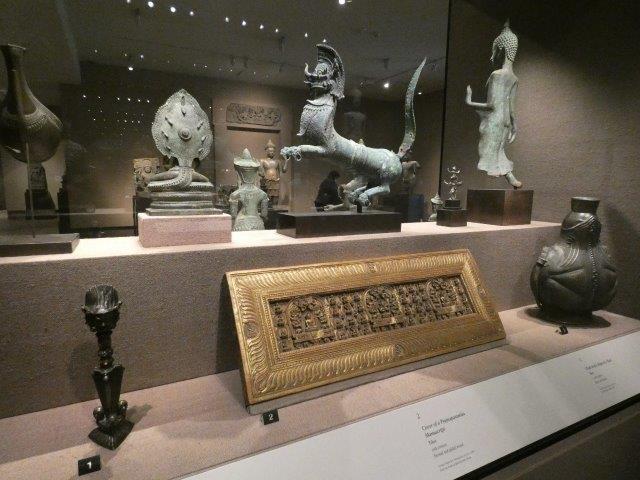
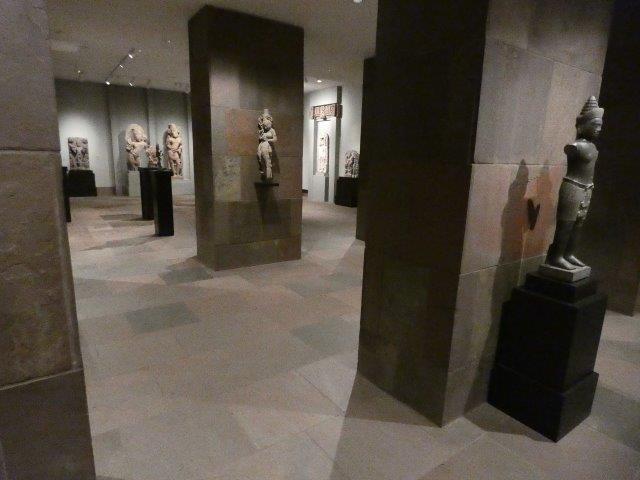
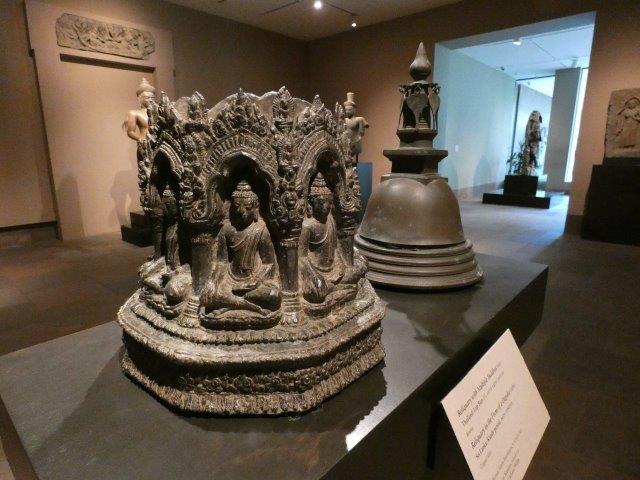
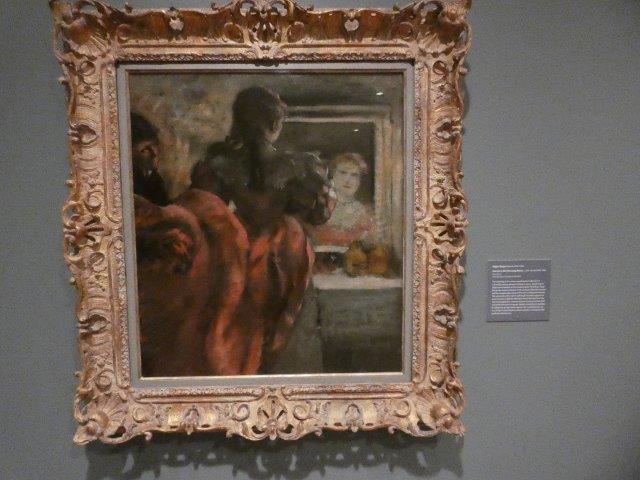
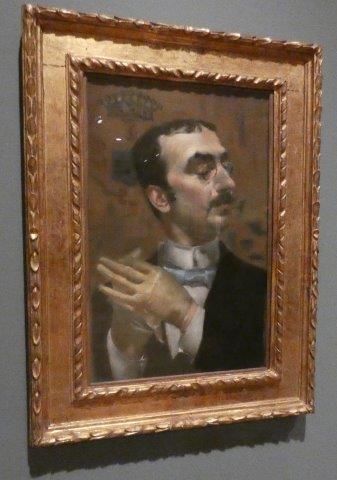
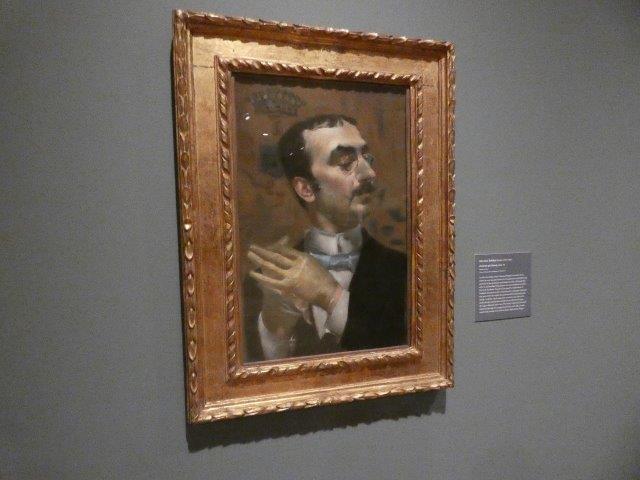
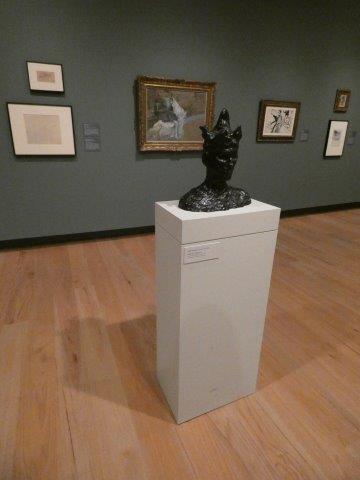
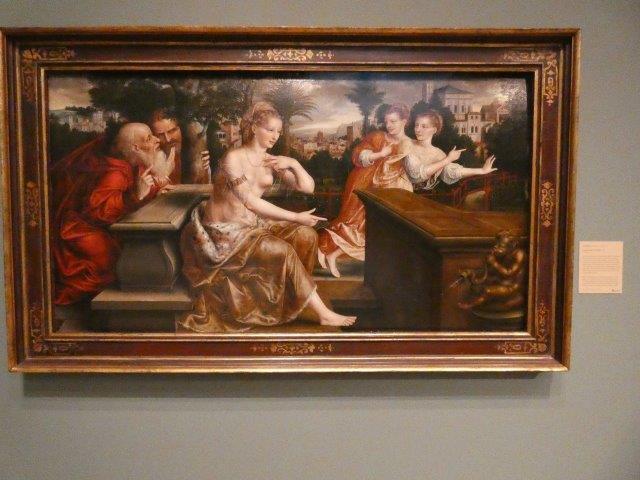
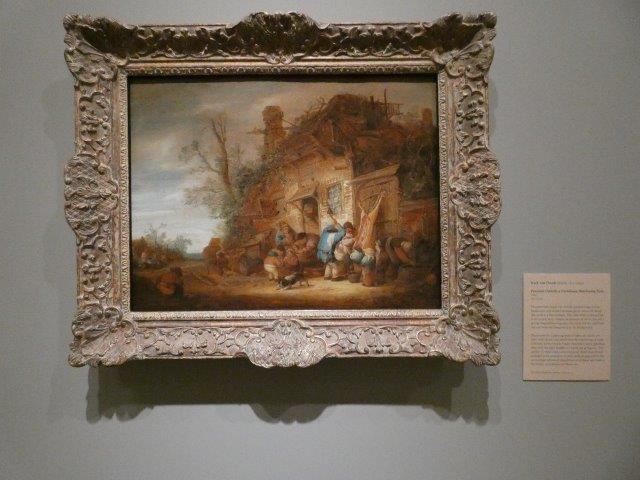
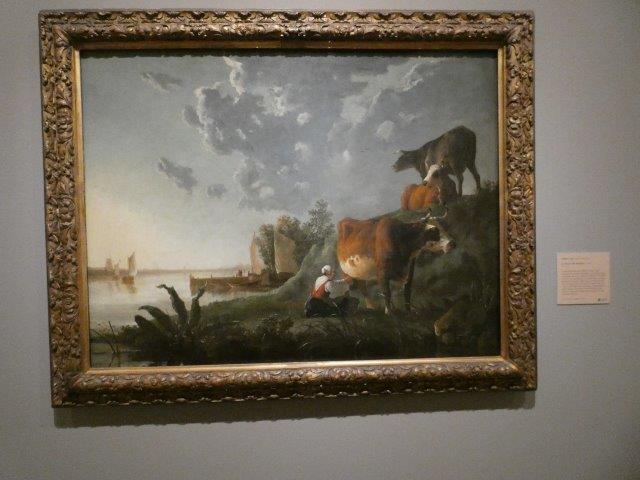
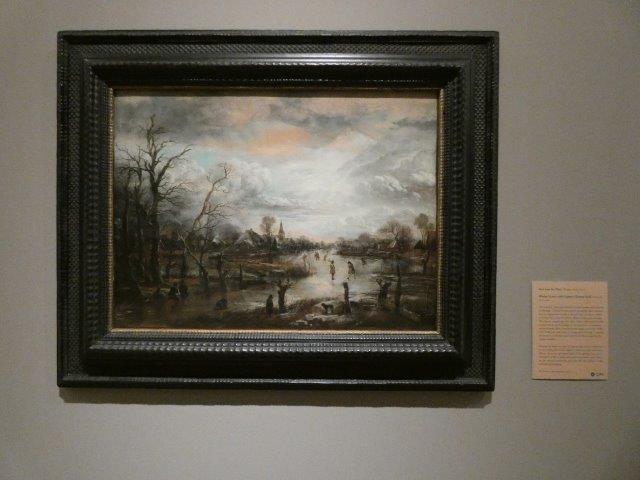
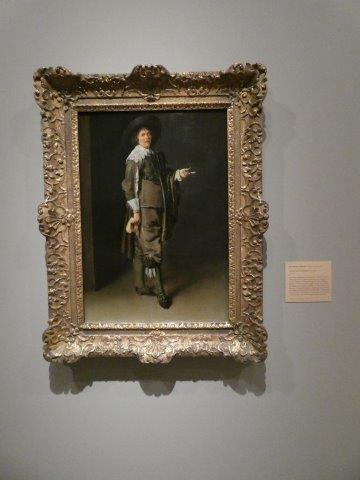
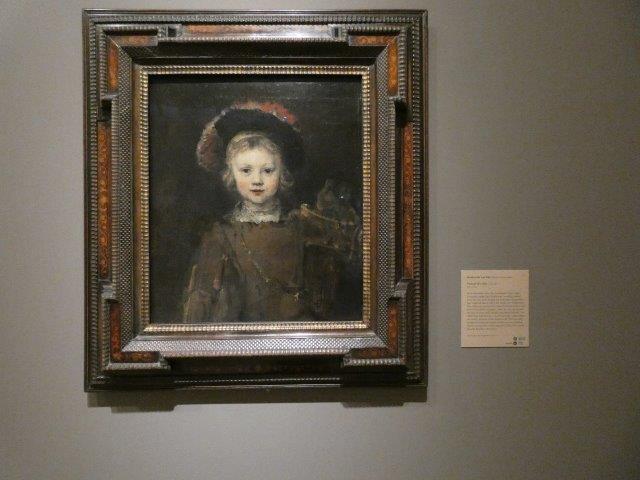
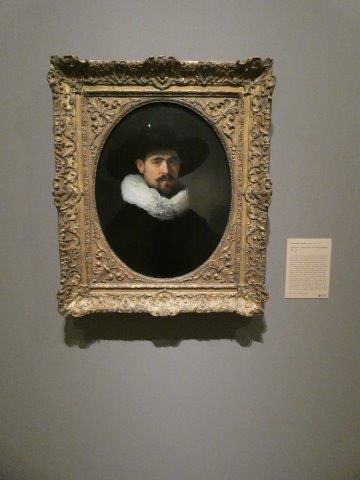
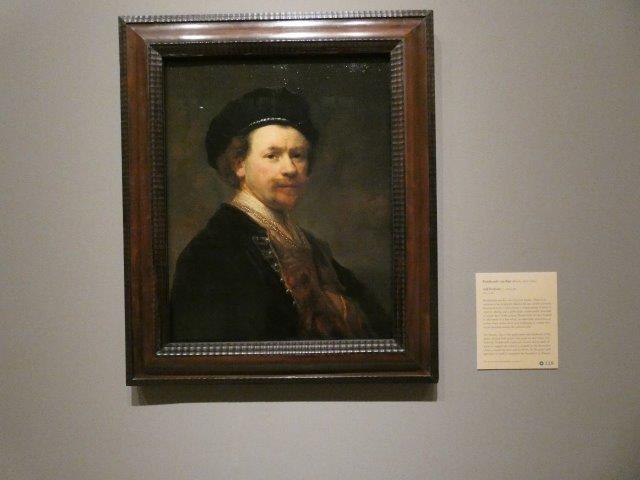
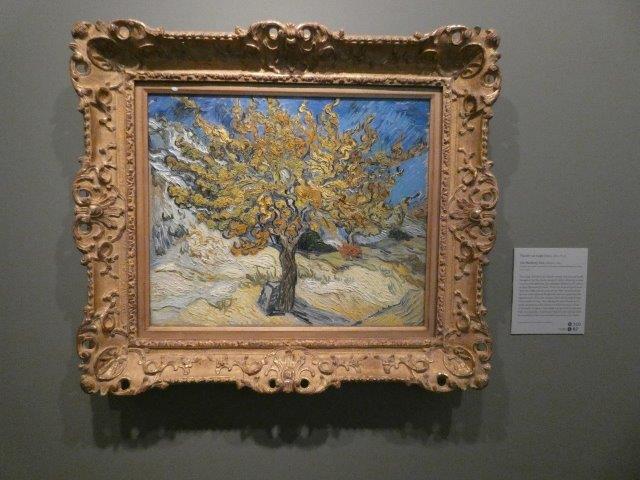
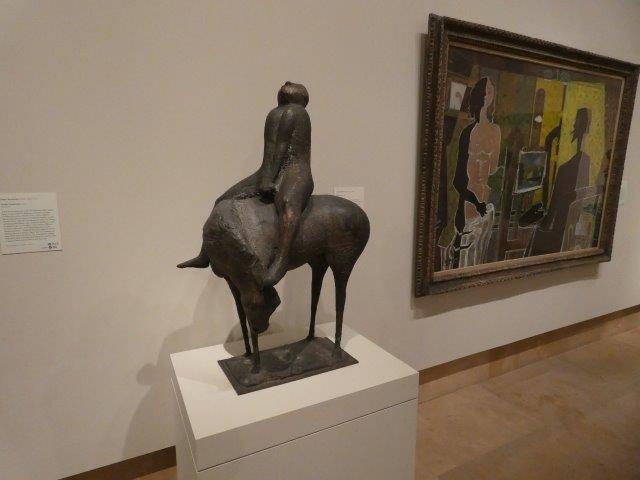
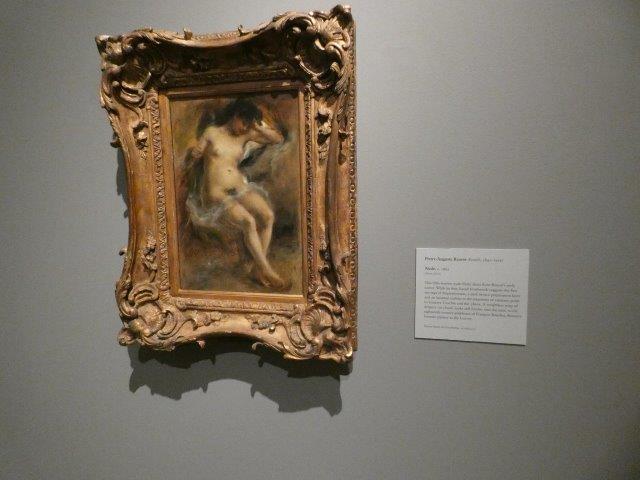
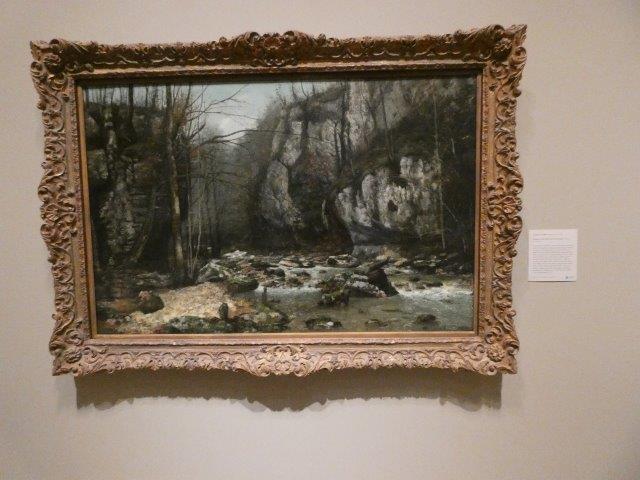
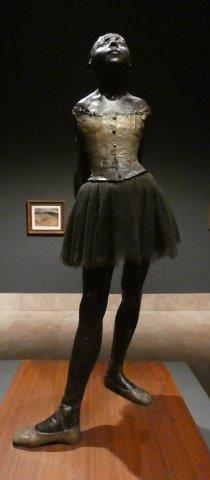
The best part, of course, is having a wonderful experience together with family. We started off with a surprisingly good lunch at the museum cafe, then explored the various exhibits including Southeast Asian Sculptures, European paintings and sculptures beginning in the 1500s, and a fabulous presentation of late 1800s Parisian art.
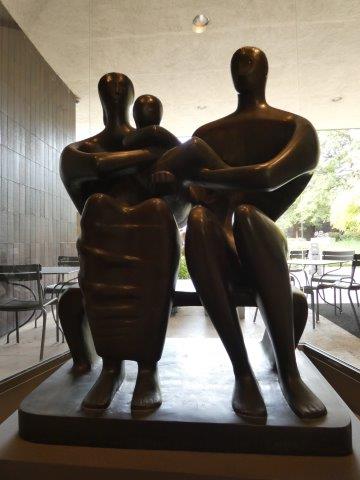
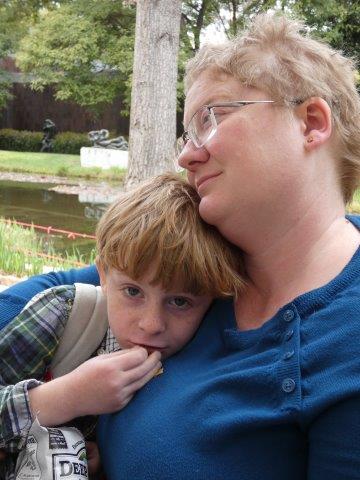
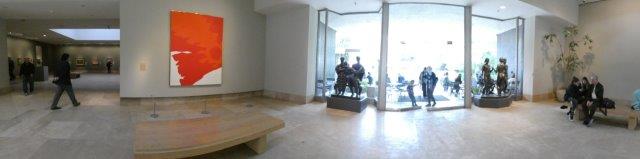
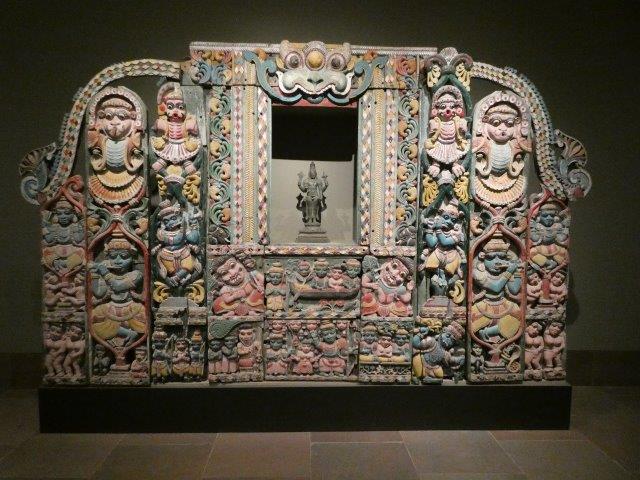
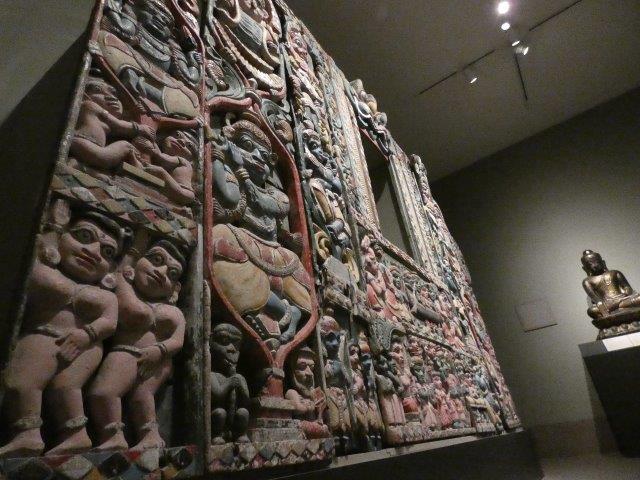
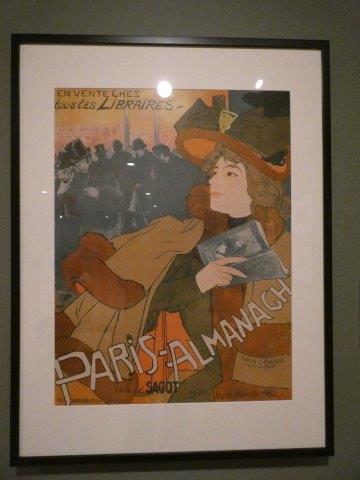
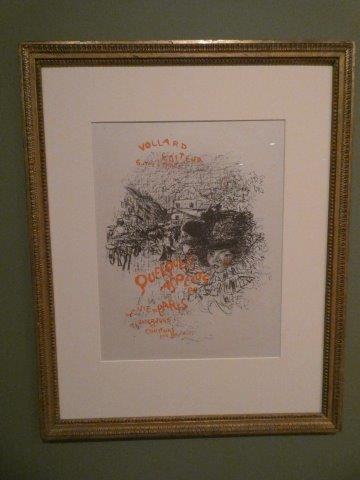
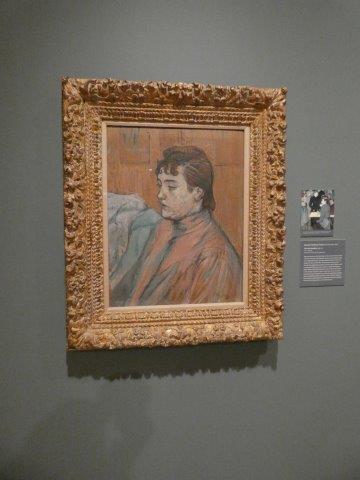
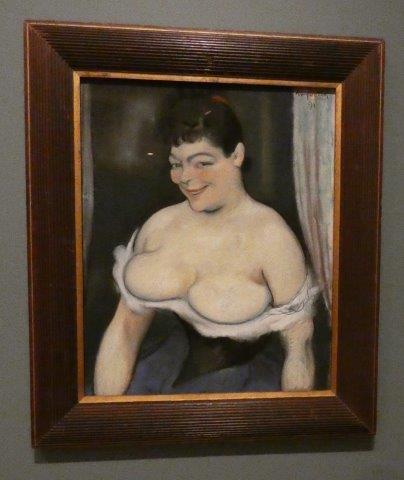
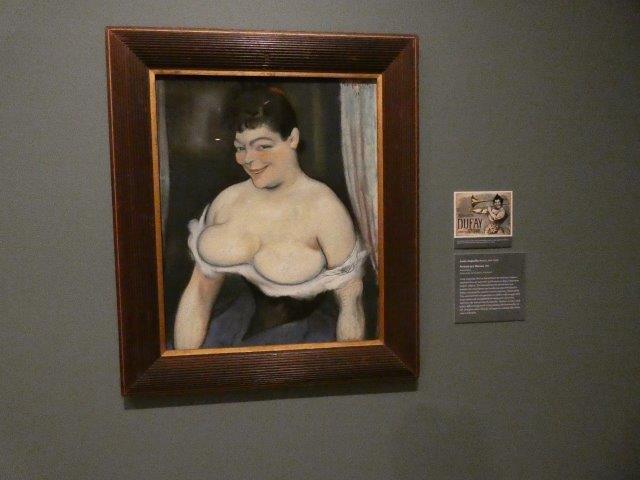
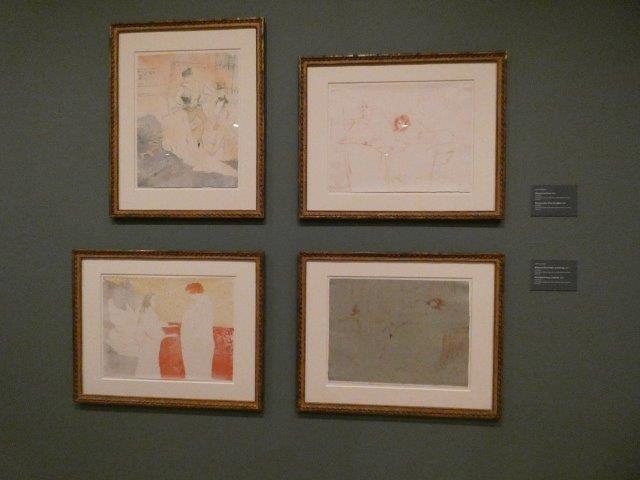
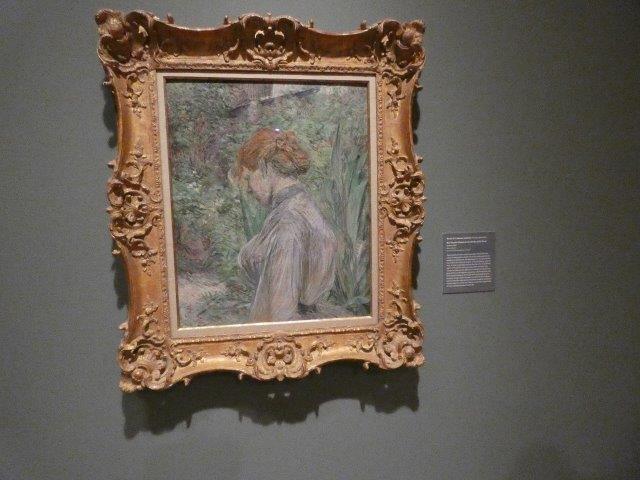
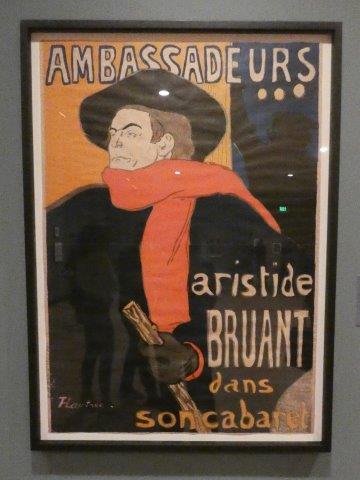
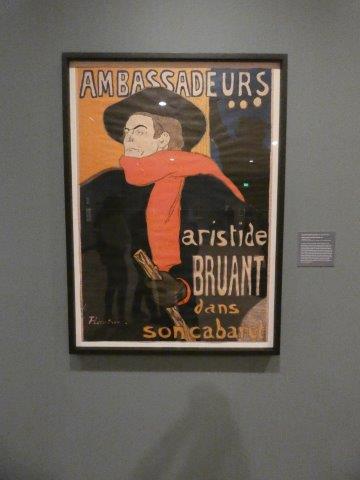
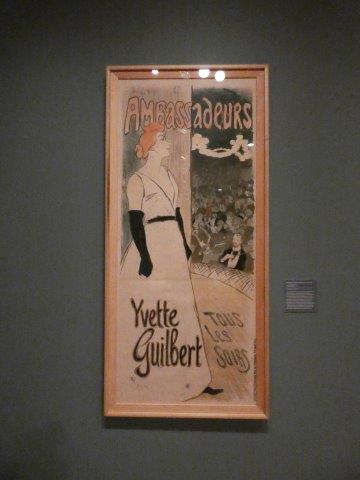
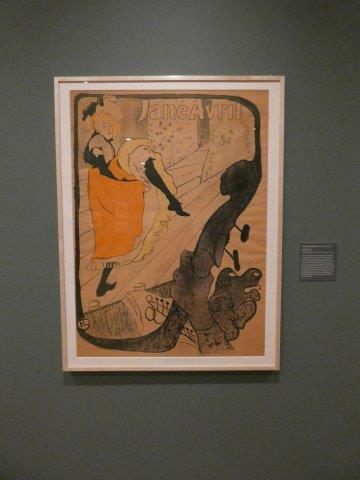
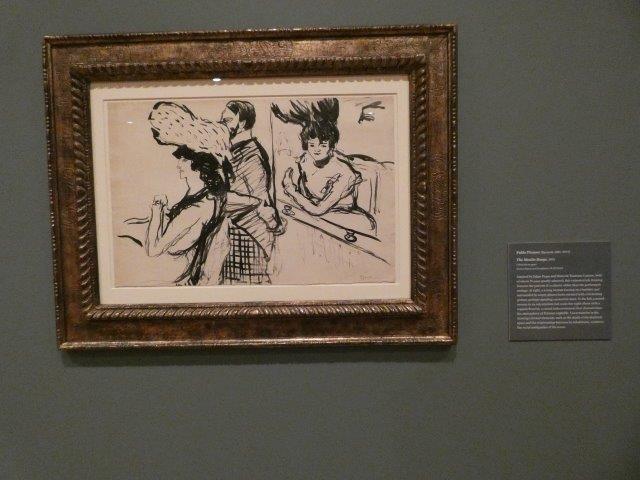
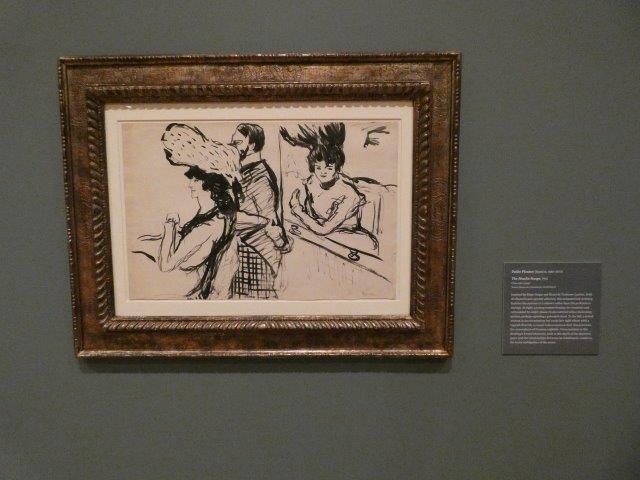
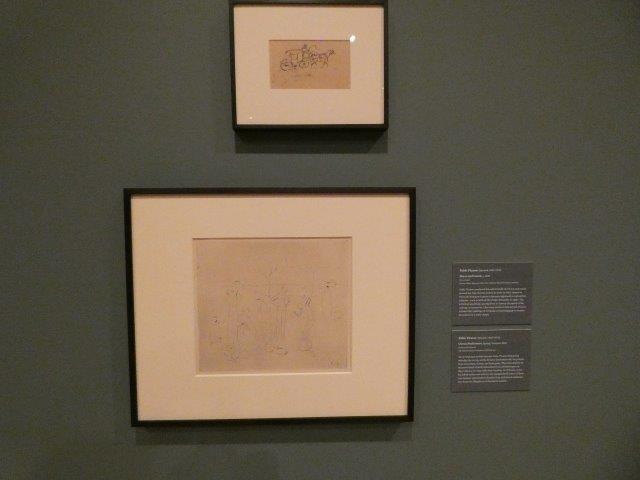
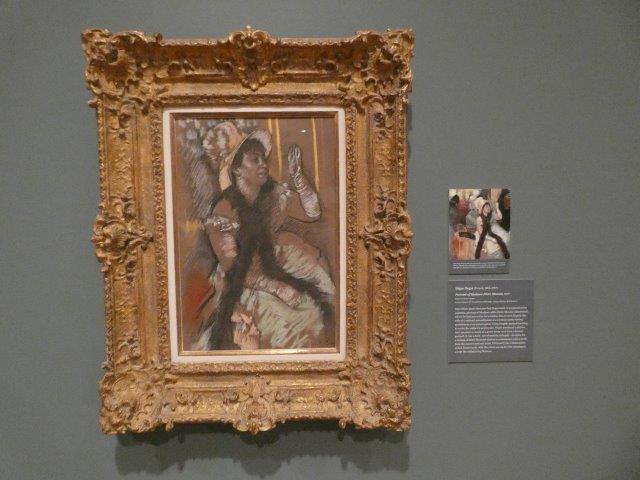
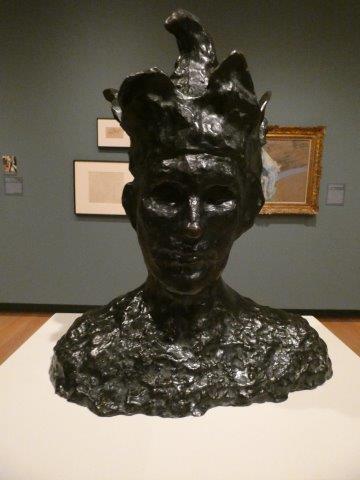
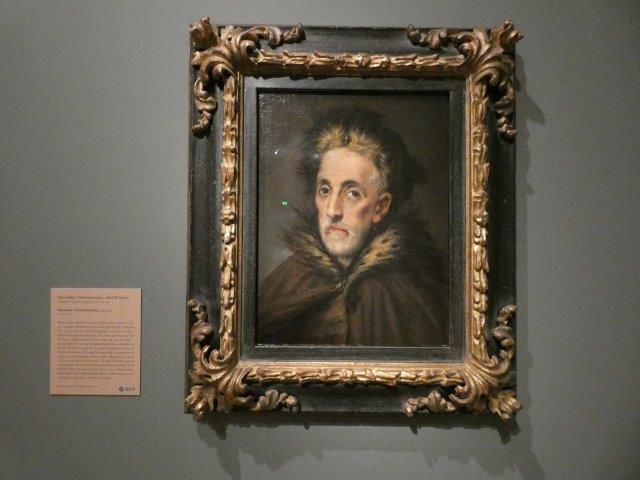
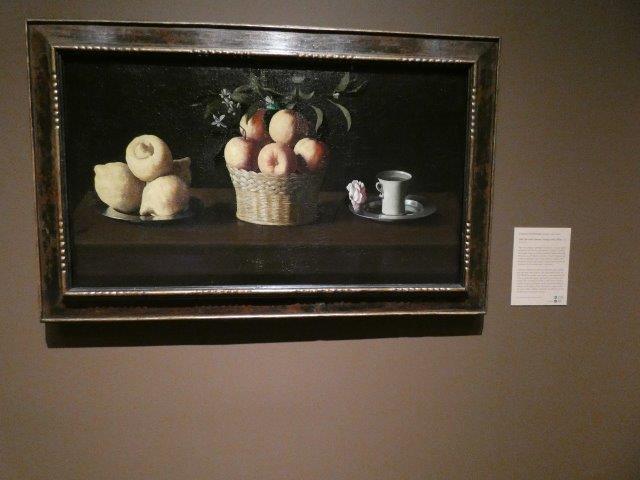
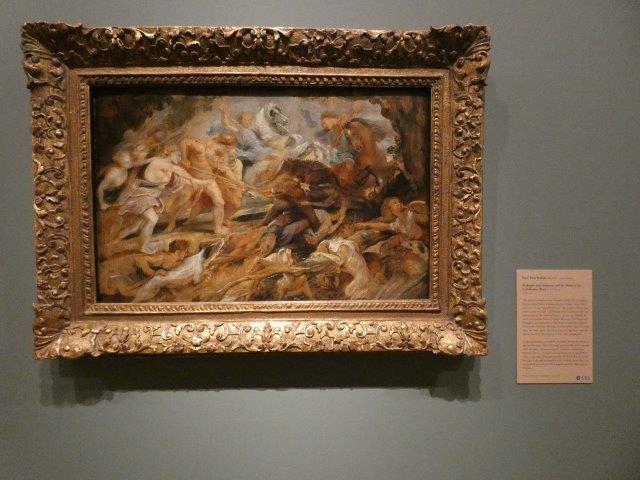
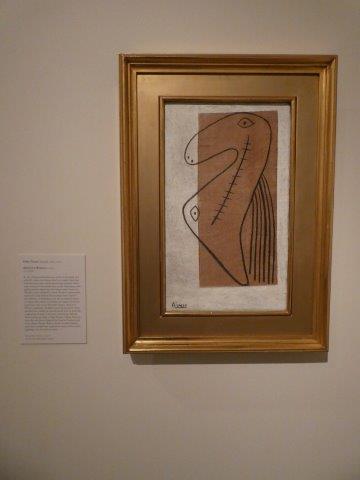
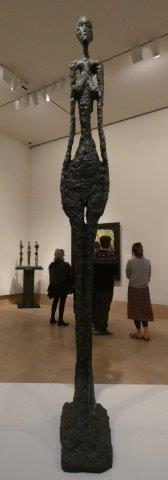
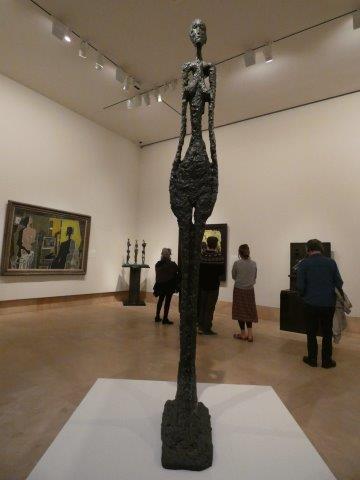
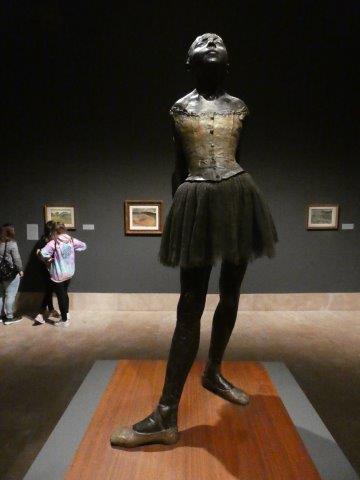
Here is a smattering of the 150 or so pictures I took, which is only a fraction of what is currently on display: Van Gogh, Rembrandt, Renoir, Rapheal, Dega, and Picasso to name but a few. Enjoy. I did! And just one more thank you before I post to my most splendid daughter. She is, indeed, my “Special.”






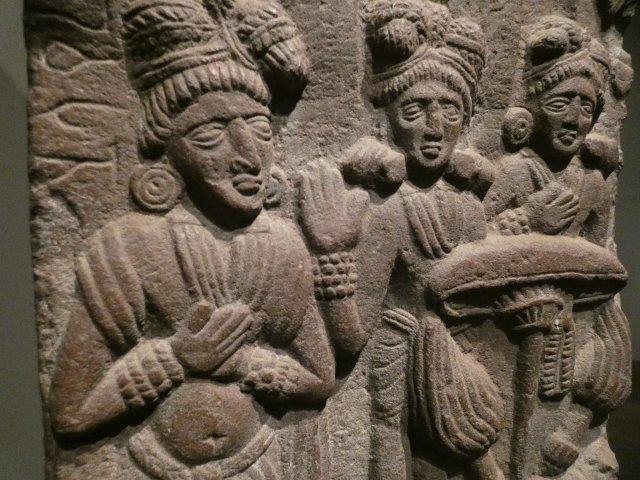
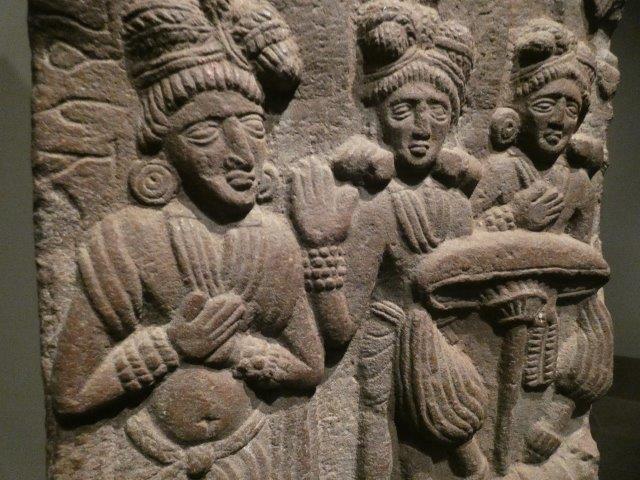
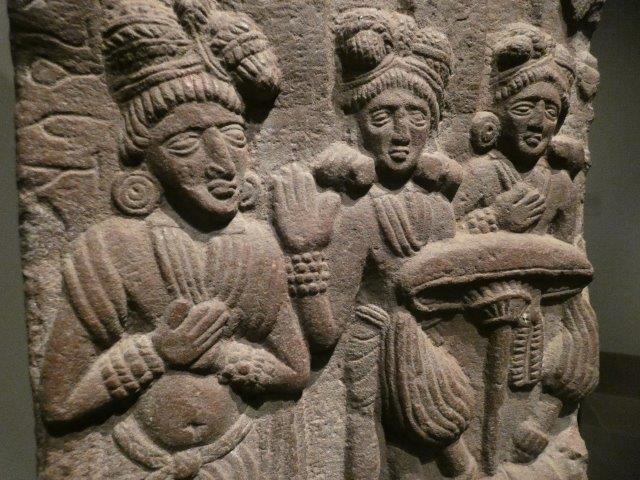
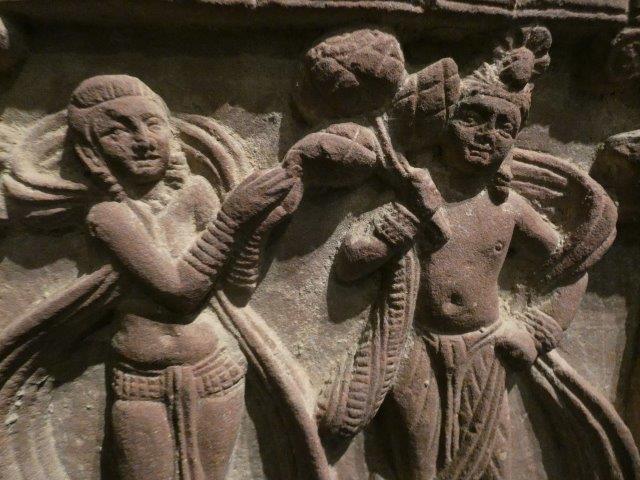

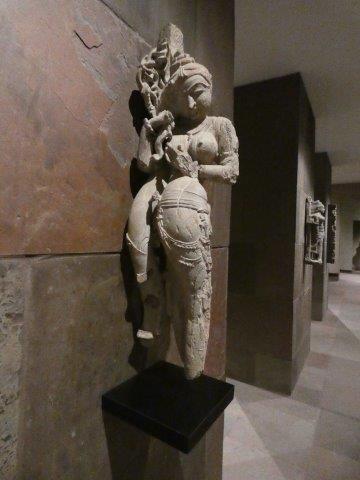
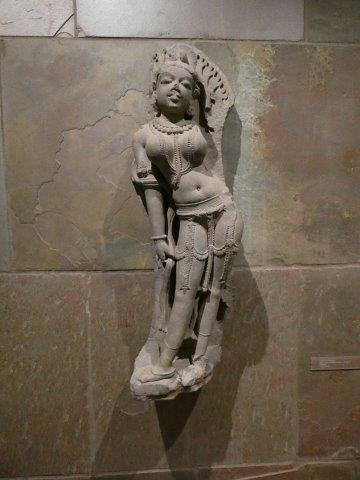
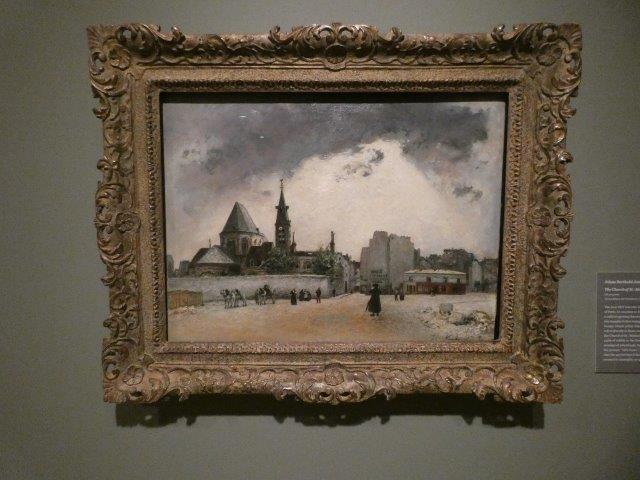
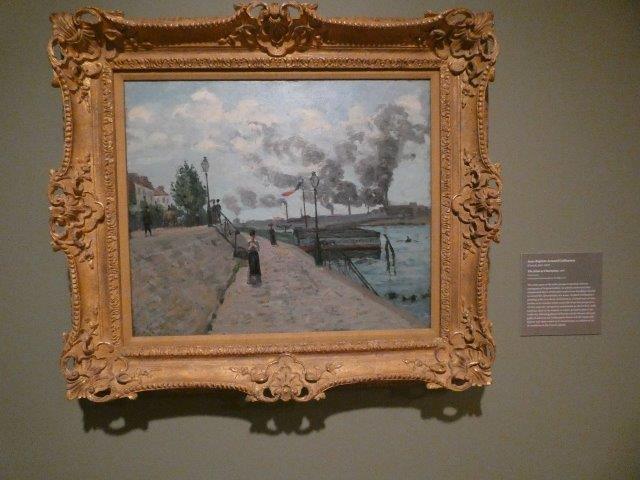
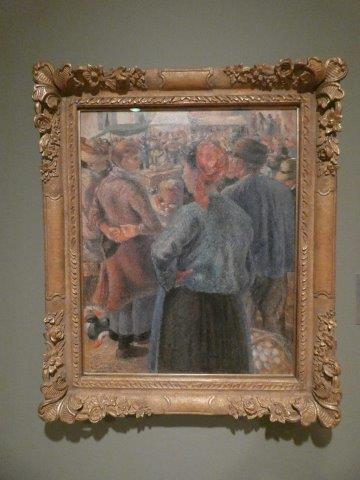
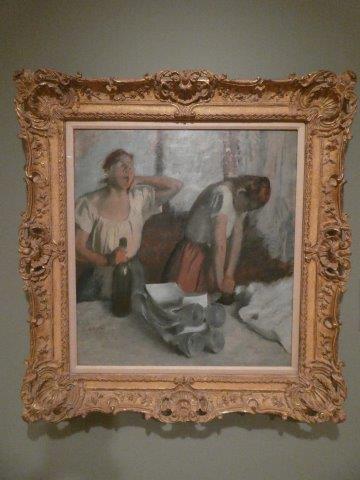
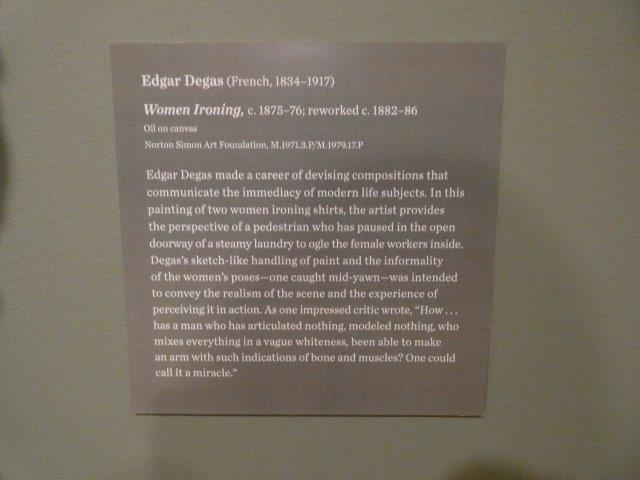
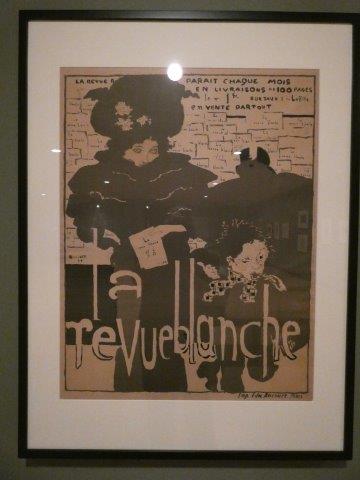
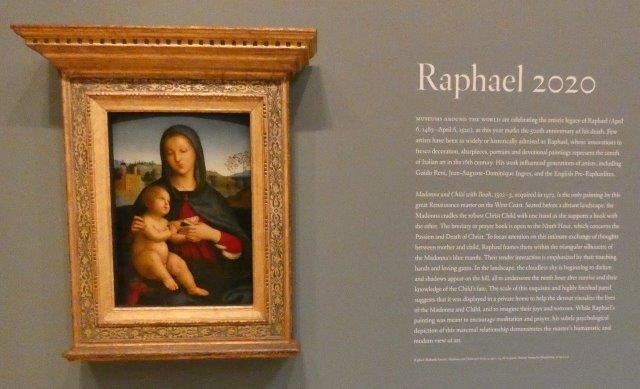
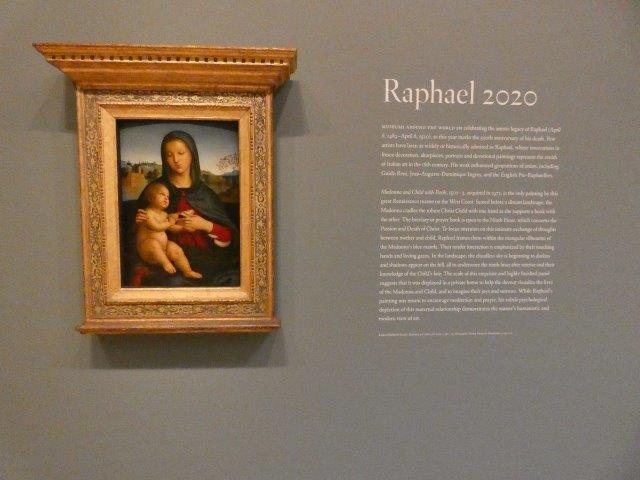
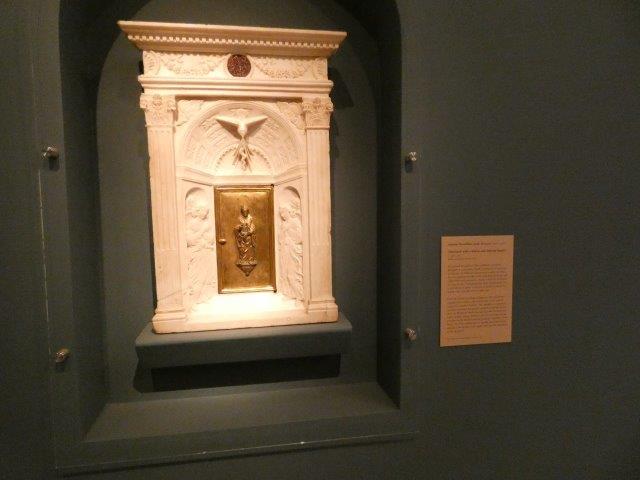
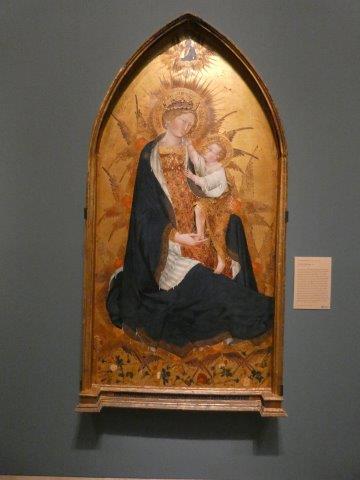

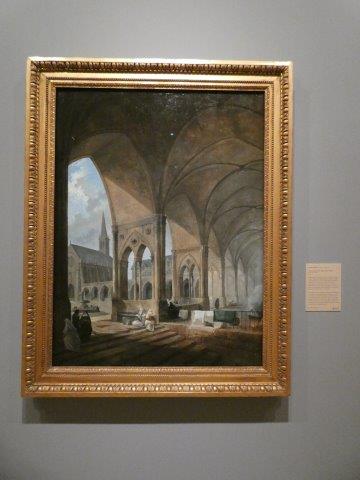
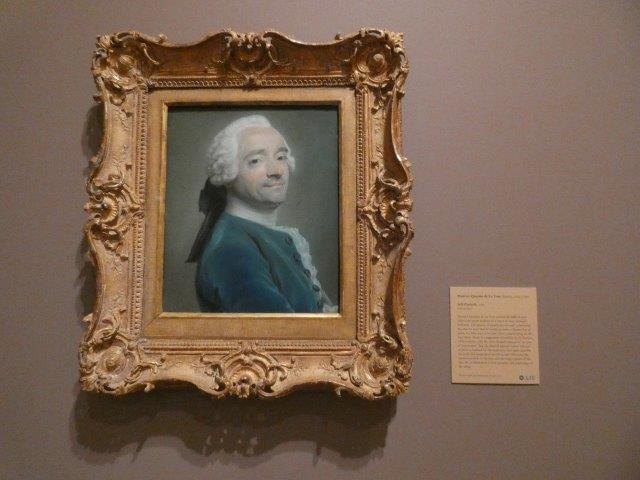
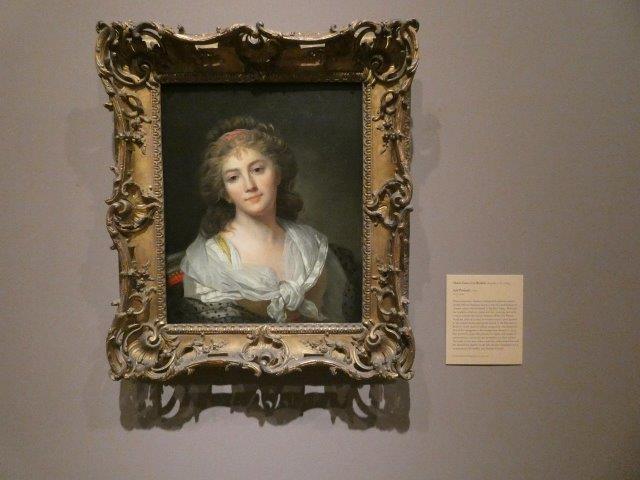
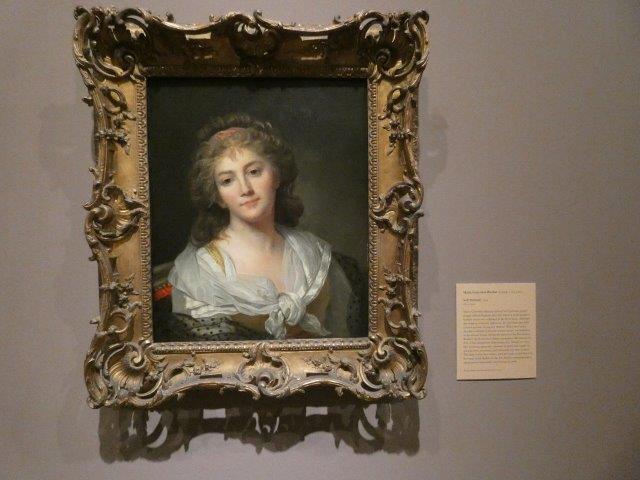
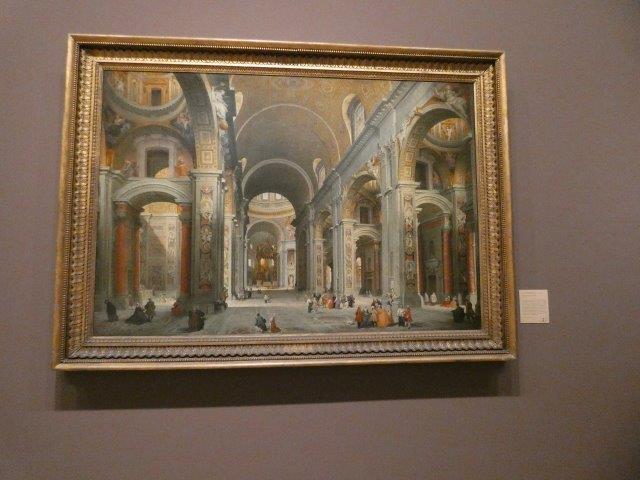
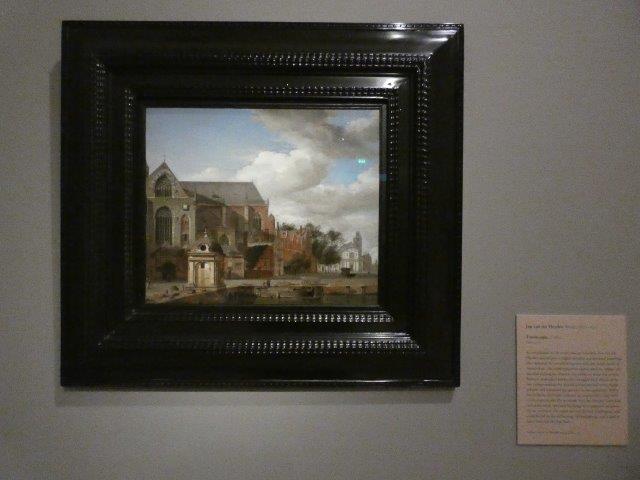
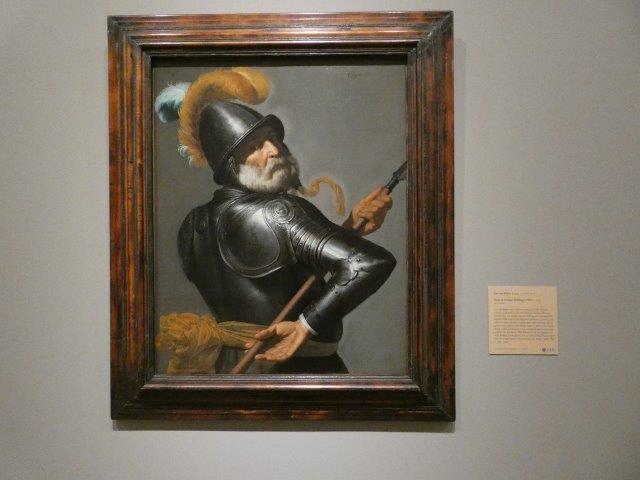
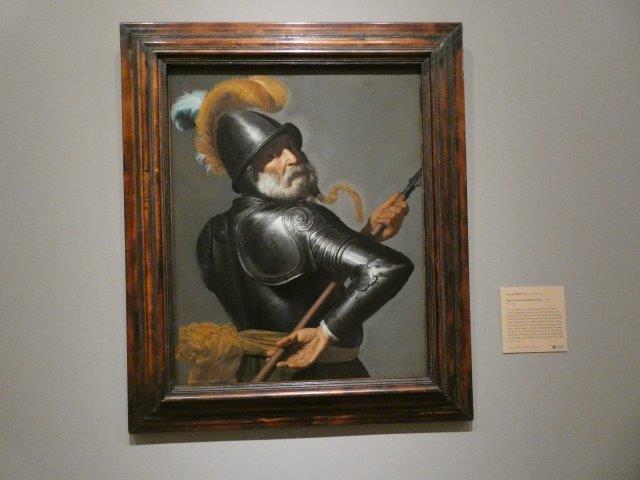
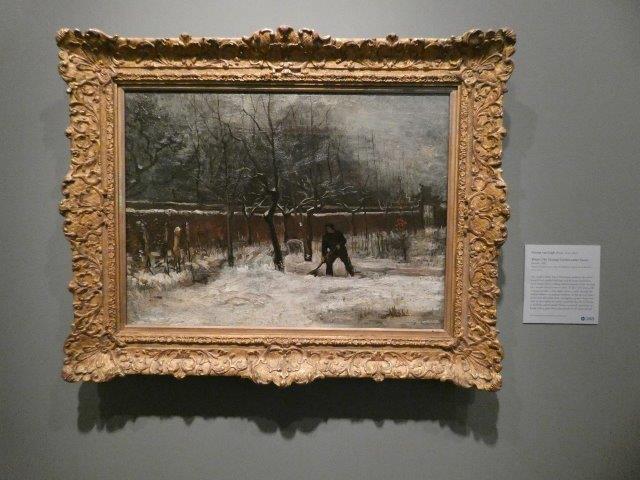
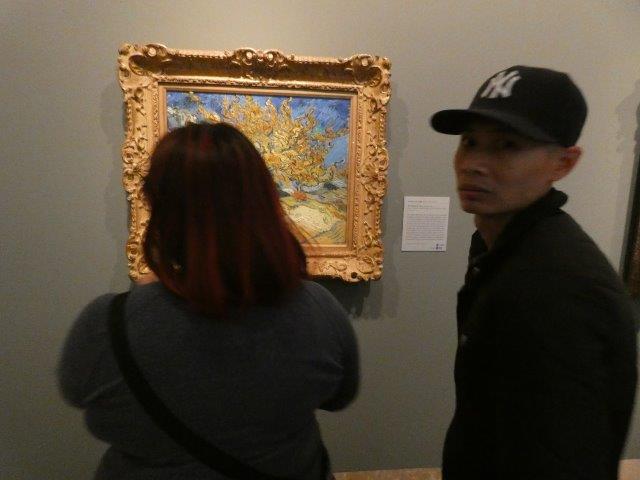
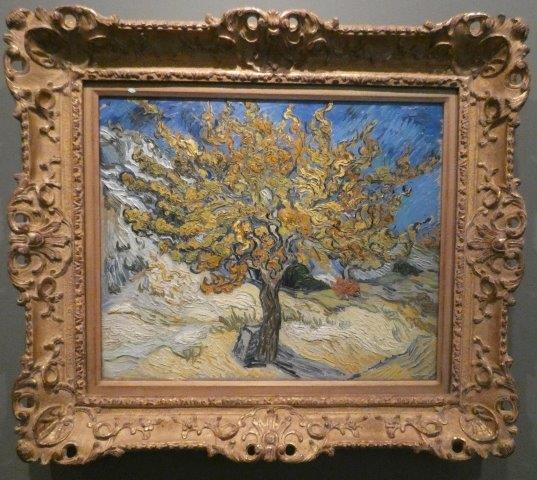
Additional Notes:
I love the rain, and unexpectedly this turned out to be a rainy day, so an additional birthday bonus as well.
We met at the Museum at noon – Mindi, Ed, Nicholas and Tomas. Mary rode with me. After Mindi paid for admission, the first order of business was lunch! They had a surprisingly eclectic menu at the museum cafe. I had the roasted vegetable Ciabatta , which had eggplant, peppers and squash among the variety of perfectly prepared flora. The bread itself was light yet dense as well as steamy/fluffy. I tried the Hibiscus flavored Italian soda as well.
As part of her meal, Mindi had purchased a roasted pear torte with the intention of sharing, and it was magnificent!
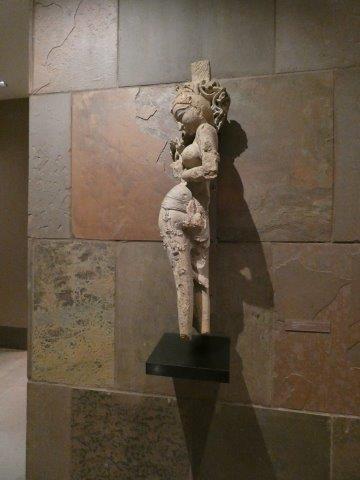
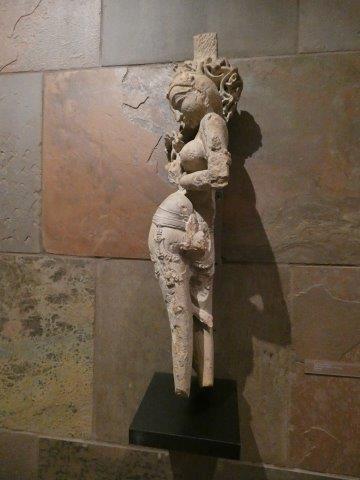
After lunch we began on the ground floor with the Southeast Asian exhibit featuring statues and sculptures of gods, goddesses, and iconic mythical figures.
The lower floor also offered an extensive temporary exhibit of late 1800s Parisian art – paintings, sketches, posters, and even a few photographs. I’ve always been enamored of Paris, so this was an unexpected treat for all of us, especially me!
Moving upstairs we found three halls featuring different eras of European art beginning in the 1500s and up to the mid nineteenth century. And lastly there was a modern art wing, which is not my usual cup of tea, though there were several works of interest, making the exploration a worthwhile venture.
It was four o’clock when we completed our excursion and it was raining moderately well, so I brought the car around from the lower lot so Mary could get under cover sooner, and Ed did as well for Mindi.
After, stopping for gas (as our tank was nearly empty, we reconvened with Mindi, Ed, and Crew at Outback Steakhouse in Burbank – one of my favorite places for a family meal, and was treated to steak, shrimp, lobster set against a loaded baked potato, and my share of a brownie topped with hot fudge and cold vanilla ice cream.
I love each marvelous individual in my family – my son and daughter, my Teresa, my Mary, my in-laws, and all three of my grandchildren. Yet I must say that Mindi’s proactive pleasure in arranging joyful experiences for others endears her to my heart and enriches my life whenever I am the beneficiary.