Read the Science Fiction Thriller
From the founder of Storymind
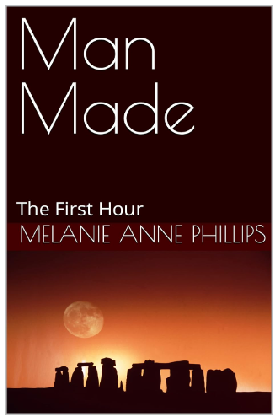
Man Made follows a mysterious force as it sweeps around the globe erasing anything man made - from buildings, vehicles, and technology to medicines, clothing, and dental work.
Governments stagger under the panic, religions are at a loss for an explanation, scientists strive for any means to stop or divert the phenomenon, and the world’s population from families to individuals struggle to prepare for The Event, which will drive humanity back beyond the stone age.
The Event is coming.
Are you prepared?
Introducing Characters: First Impressions
By Melanie Anne Phillips
When your reader/audience first meets your characters in a story, it has the same effects as when you are introduced to someone in real life. First impressions have a tremendous impact that you can use either to establish or mislead your reader/audience as to the true nature of each character.
You might tell your reader/audience all there is to know about a particular character right up front. But for another character, you may drop little bits of information over the whole course of the story. And, of course, you want to note how a character's outlook and feelings change as the story unfolds.
Then there is the question of who shows up first? Joe, Tom, Sally, or the Monster? Characters introduced early on become more important to the reader/audience at a personal level, even though their roles may not be as significant in the story at large.
To elevate an interesting character who is not a major player, you may wish to introduce and follow him or until he or she latches up with a major character down the line. Or, you might reveal several characters together in a group activity to give them equal footing at that point in the story.
Who is your Main Character? Do you want to involve your audience immediately by bringing that character in first, or would you rather have them look more objectively at the characters and plot, introducing the Main Character later?
You know all about your characters while your audience knows nothing. It's okay to reveal more about your characters later in the story, but you must lay the groundwork and reveal personality so that your audience can sympathize with them and feel for them as the story progresses. For complex characters, it may take the entire story before all their subtleties are revealed.
Sometimes an author may want to have a character with a dark side, or a hidden side that will be revealed only later in the story. Don't avoid introducing the character, but rather try to introduce their facade as a complete character, making it that much more shocking when they reveal their other face.
Remember, first impressions are lasting, and an audience with the first impression of someone as a good guy, will resist thinking of them as a bad guy for as long as possible. So, don't give hints to the truth right off the bat.