|
 |
 |
 |
 |
 |
 |
 |
|
|
|
|
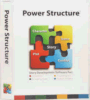
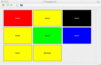
Visit the Dramatica Theory Home Page  $179.95 $29.95 *Try either or both for 90 days. Not working for you? Return for a full refund of your purchase price! About Dramatica and StoryWeaver Hi, I'm Melanie Anne Phillips, creator of StoryWeaver, co-creator of Dramatica and owner of Storymind.com. If you have a moment, I'd like to tell you about these two story development tools - what each is designed to do, how each works alone on a different part of story development and how they can be used together to cover the entire process from concept to completion of your novel or screenplay. What They Do Dramatica is a tool to help you build a perfect story structure. StoryWeaver is a tool to help you build your story's world. Dramatica focuses on the underlying logic of your story, making sure there are no holes or inconsistencies. StoryWeaver focuses on the creative process, boosting your inspiration and guiding it to add depth, detail and passion to your story. How They Do It Dramatica has the world's only patented interactive Story Engine™ which cross-references your answers to questions about your dramatic intent, then finds any weaknesses in your structure and even suggests the best ways to strengthen them. StoryWeaver uses a revolutionary new creative format as you follow more than 200 Story Cards™ step by step through the story development process. You'll design the people who'll inhabit your story's world, what happens to them, and what it all means. How They Work Together By itself Dramatic appeals to structural writers who like to work out all the details of their stories logically before they write a word. By itself, StoryWeaver appeals to intuitive writers who like to follow their Muse and develop their stories as they go. But, the finished work of a structural writer can often lack passion, which is where StoryWeaver can help. And the finished work of an intuitive writer can often lack direction, which is where Dramatica can help. So, while each kind of writer will find one program or the other the most initially appealing, both kinds of writers can benefit from both programs. Try Both Programs Risk Free! We have a 90 Day Return Policy here at Storymind. Try either or both of these products and if you aren't completely satisfied we'll cheerfully refund your purchase price.
Our Complete Catalog of Products
|
| ||||||||||||||||||||||||||||||||||||||||||||||||||||||||||||||
|
Contact Us - About Us - Lowest Price Guarantee - Shipping - Return Policy Copyright Melanie Anne Phillips - Owner, Storymind.com, Creator Storyweaver, Co-creator Dramatica |










 Format:
Windows / Mac CD-ROM
Format:
Windows / Mac CD-ROM